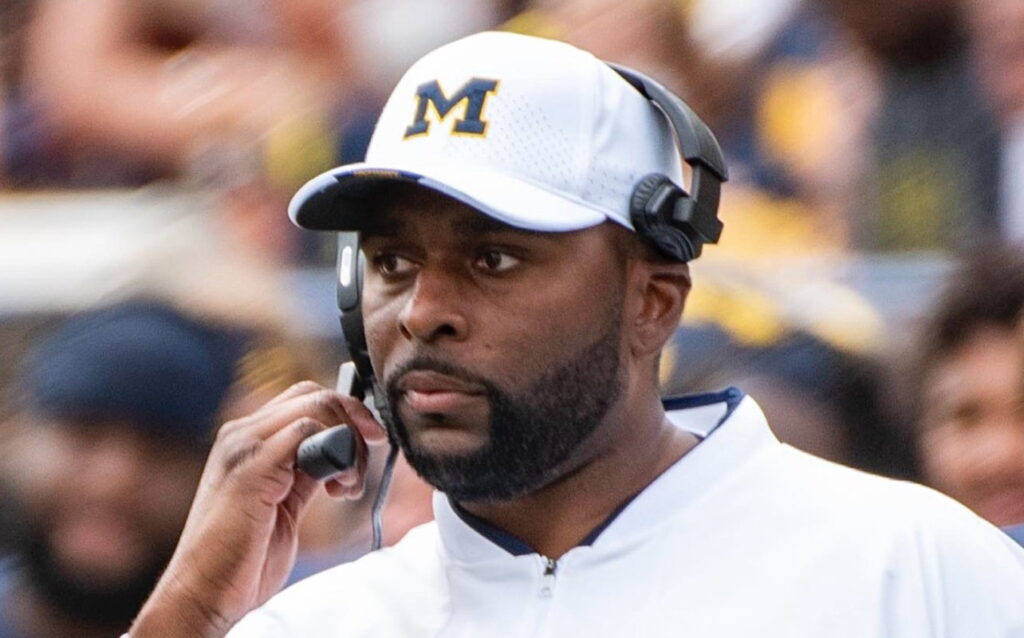
In a significant turn of events, former Michigan football coach Sherrone Moore has been placed on probation following a case involving a staff member that ultimately led to his dismissal. Known for his fiery coaching style and his role in helping the Wolverines secure victories on the field, Moore’s recent legal troubles have cast a shadow over his promising career in college football. Along with probation, he faces a monetary penalty, being ordered to pay a $1,000 fine, marking a turbulent chapter in his professional journey.
The incident that triggered this legal action has raised eyebrows and sparked conversations about accountability within sports programs at the collegiate level. As institutions strive to uphold a standard of integrity, Moore’s case serves as a reminder of the complexities that come with leadership roles in high-pressure environments. The football world, particularly fans and players alike, are left grappling with the implications of such events and the responsibilities that come with coaching positions.
While Moore’s time at Michigan has come to an abrupt end, his influence on the team and connection with the players cannot be overlooked. Expectations were high as he took on key responsibilities, and there was hope that he could continue to drive the program forward. Now, as he steps away from the sidelines, the school and its community must reflect on not only the fallout of this incident but also what it means for the future of the football program.
Moore’s case is a stark reminder of the challenges faced by athletes, coaches, and staff members who operate under intense scrutiny. It is essential for all involved in the sporting community to foster environments that prioritize ethics and responsibility. As the college football landscape continues to evolve, it will be interesting to see how institutions address such issues and ensure that the integrity of their programs remains intact as they navigate the complexities of sports and society.
About The Author