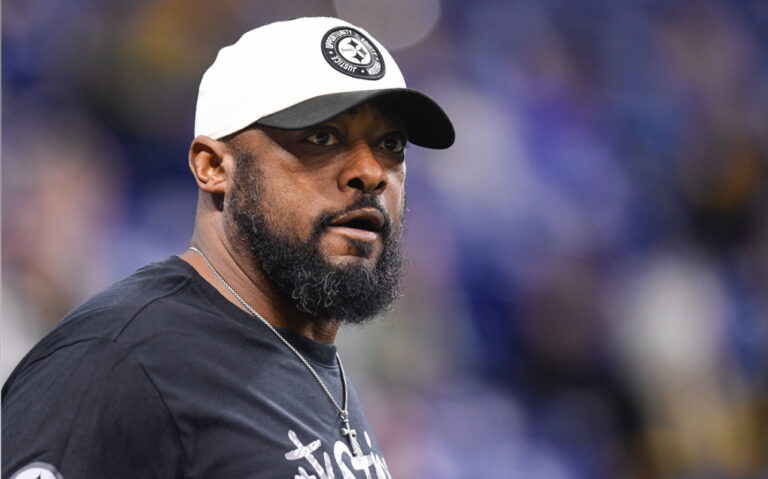
In a shocking turn of events, former NFL wide receiver Alshon Jeffery has found himself on the wrong side of the law after being arrested in California for insurance fraud. Known for his standout performances on the gridiron, particularly during his time with the Philadelphia Eagles, Jeffery’s recent troubles raise questions about the pressures athletes face after their playing days are over. As fans, we often idolize these players, forgetting that beyond the accolades and endorsements, they navigate a complex world full of challenges that can lead even the brightest stars astray.
Jeffery’s arrest is a stark reminder that the financial realities can hit hard, especially in a society that often romanticizes the riches of professional sports while ignoring the pitfalls. It’s easy to assume that a player with years in the league would have a stable financial future, yet the truth is, many retired athletes struggle to manage their money. The demands of lifestyle, health concerns, and the looming specter of post-career identity can leave them vulnerable. It’s a narrative that has played out time and again in the sports world, where the transition from fame to obscurity can be brutally unforgiving.
The details surrounding the allegations paint a troubling picture. Reports indicate that Jeffery is accused of submitting false claims related to an injury, an act that not only jeopardizes his future but also tarnishes his legacy. While we have to hold individuals accountable for their actions, we also need to consider the larger context of systemic issues that can lead to such drastic decisions. It’s a harsh reality that many athletes feel the pressure to maintain their financial standing, leading them to make choices that can cost them dearly in the long run.
As the news of Jeffery’s arrest spreads, it’s an opportune moment for our community to engage in dialogue about financial literacy and the mental health of athletes. Too often, we celebrate their success without addressing the challenges they face. Whether it’s managing a sudden influx of wealth or dealing with the isolation that can come after retirement, these are discussions we must have. The reality is, for every highlight reel of a player’s career, there’s a human story of struggle that often goes untold.
As we reflect on Alshon Jeffery’s fall from grace, let’s not just shake our heads in judgment but instead use this as a catalyst for change. It’s time we amplify the importance of support systems for athletes, emphasizing education on financial management and mental health resources. The story of one man can serve as a lesson for many, reminding us that the road to redemption is possible, but it often requires community, understanding, and most importantly, action.
About The Author