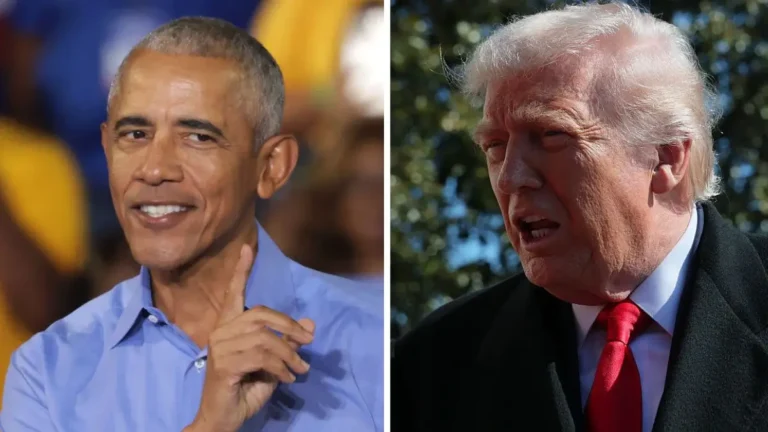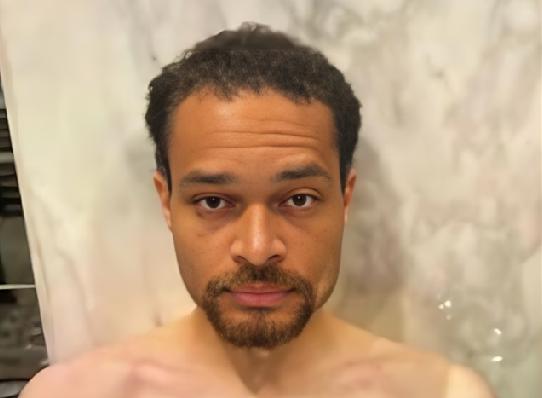
The White House Correspondents’ Association dinner has long been a night where politics and media come together to share laughs, but the recent event took a troubling turn. This year marked the first time that President Donald Trump attended as president, and it became clear that his presence would not go unnoticed in more ways than one. Shots rang out outside the venue, sparking panic among the attendees, including the president and various members of the press. In a chilling twist, a suspect was apprehended shortly after the incident, allegedly having a manifesto that outlined intentions to target officials based on their rank.
The shooting raised immediate concerns about the security measures in place at such a high-profile event. With the eyes of the nation on the dinner, it’s disconcerting that a gunman was able to breach security and pose a direct threat to those in attendance. The manifesto, which reportedly criticized the lack of adequate protection for attendees, only emphasizes the precarious balance that exists between freedom of the press and the safety of public officials. In an era where political tensions run high and threats to public figures are increasingly common, the WHCA dinner highlights the vulnerability that comes with such visibility.
This incident not only serves as a stark reminder of the risks associated with political engagements but also prompts a broader conversation about how we protect our leaders and the press. The dinner was intended to be a night of camaraderie and light-hearted roasting, yet it was transformed into a scene of chaos and fear. The juxtaposition of celebration and danger underscores the divided landscape of American politics today, where a simple evening of networking could quickly devolve into a nightmare.
As we reflect on this alarming event, it’s crucial to consider the implications of heightened security protocols at public gatherings. Given the increasing instances of violence targeting political figures and journalists, we must advocate for systems that prioritize safety while still respecting the core values of the First Amendment. The White House Correspondents’ Association dinner should stand as a symbol of free speech and democratic discourse, not a target for those who wish to sow chaos and fear. In the wake of the shooting, it’s clear that the conversation surrounding security at such events must evolve, pushing us to rethink how we protect our democracy in an age fraught with division and risk.
About The Author