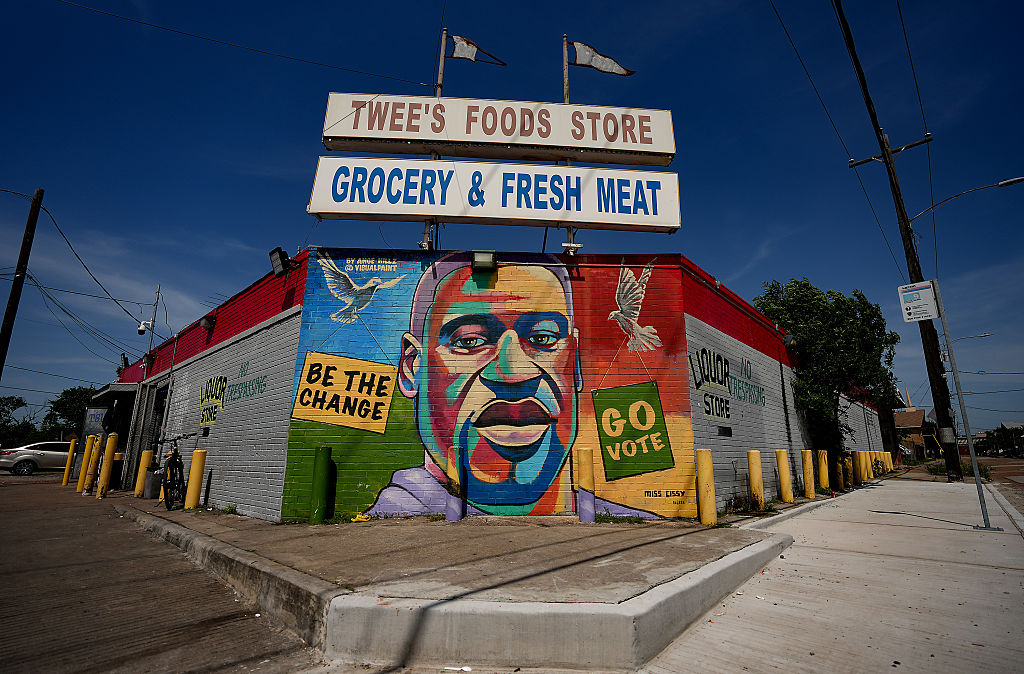
In a deeply unsettling moment for the Black community, the family of George Floyd has expressed their outrage over insensitive remarks made by comedian Tony Hinchcliffe during a Netflix roast. The comments, which referenced Floyd’s tragic death, have ignited a firestorm of criticism, with many feeling that such humor is not only distasteful but deeply disrespectful to the ongoing fight for justice and accountability in the wake of his death. Floyd’s family is particularly appalled by the way his legacy was mocked, emphasizing how the pain of losing a loved one should never be fodder for comedy, especially in the context of an already sensitive societal issue.
The ire has also been directed towards Kevin Hart, who served as a producer for the roast, as many feel that he should have taken a stand against such heartless jokes. Hart’s involvement in this production raises questions about the responsibility comedians bear when it comes to the narratives they choose to amplify. While humor can often serve as a coping mechanism, there’s a fine line between finding laughs in difficult circumstances and perpetuating harm through insensitivity. For Floyd’s family, it’s not just about the jokes, but the broader implications of normalizing such narratives in popular culture.
As discussions continue to unfold on social media, voices of support for the Floyd family are rising, condemning the trivialization of his death. The outrage speaks to a larger sentiment within the Black community, where many feel that the fight for justice is too often belittled in the entertainment realm. It’s a painful reminder that, while comedians push boundaries in the name of entertainment, some subjects demand a level of respect that should never waver.
In the realm of celebrity, where shock value can often overshadow empathy, this incident has sparked critical conversations about accountability and the ethics of humor. As fans and advocates alike rally to support Floyd’s family, it’s clear that the wounds caused by systemic injustice should never be treated as a punchline. The hope is that this serves as a wake-up call not only for comedians but for producers and audiences alike to examine the impact of their words and the narratives they choose to support. It’s time for the industry to reflect on what it means to honor the legacies of those lost to violence and elevate perspectives that inspire rather than degrade.
From The Source
About The Author