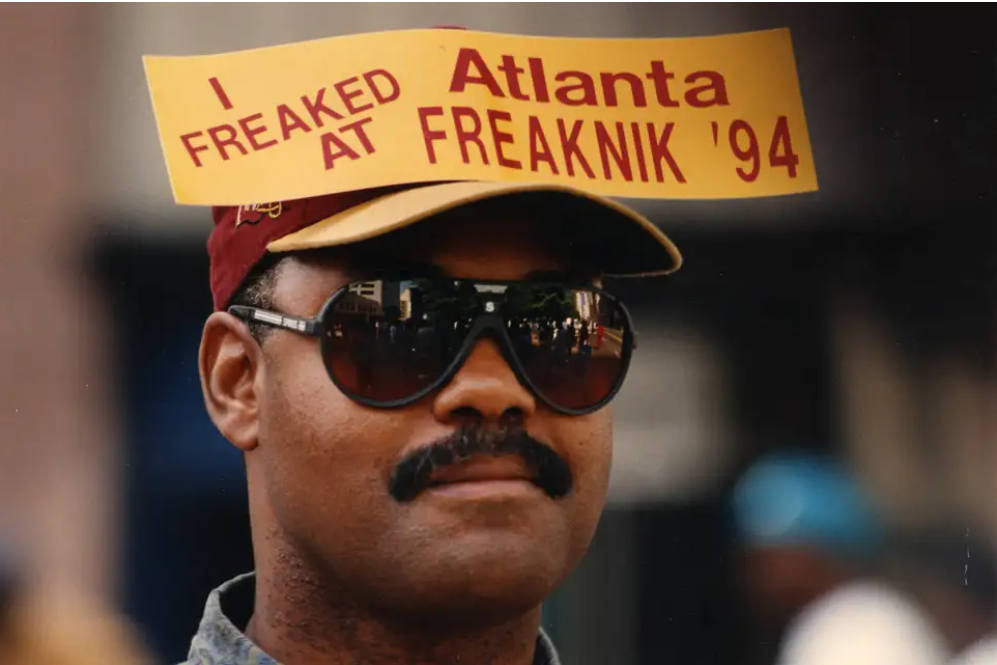
As the anticipation builds for Hulu’s upcoming documentary on Freaknik, the infamous Atlanta spring break festival of the ’90s, it’s clear that this project is stirring up more than just nostalgia. For many, the mere mention of Freaknik conjures vivid memories of carefree moments and cultural celebration. However, the documentary is also accompanied by a wave of anxiety, particularly among Black women professionals who are actively voicing their concerns. Reports have surfaced of lawsuits filed against Hulu, alleging that the documentary could expose individuals in compromising situations from decades past, potentially jeopardizing their careers and reputations.
Freaknik was a festival where freedom reigned, where young Black college students flocked to Atlanta to enjoy music, dance, and a sense of community that felt revolutionary at the time. Yet, it was not without its controversies—rumors of wild parties, public antics, and increasingly chaotic scenes often overshadowed the joyous spirit of the event. While this documentary aims to celebrate that rich history, it simultaneously resurrects uncomfortable questions about consent, dignity, and how our pasts are portrayed in the present. The nervousness surrounding the release seems to stem from a genuine concern about how these memories will be curated and consumed by audiences today.
For many women who attended Freaknik, the festival was a rite of passage filled with empowerment and self-expression, but it also represents a time when societal norms regarding behavior, modesty, and respect were vastly different. With the rise of social media and digital footprints, the fear of being ‘canceled’ for past actions is real, leading to a growing unease about how their youthful exuberance might be interpreted in today’s context. The prospect of being featured in a documentary that could paint them in a potentially exploitative light is indeed daunting, urging a reflection on how we reconcile the complexities of our identities.
Moreover, this controversy invites broader discussions about representation and storytelling within the Black community. How do we celebrate our culture without compromising the dignity of individuals who participated? As documentaries like this one aim to capture and preserve cultural milestones, they must also navigate the fine line between homage and exploitation, particularly for those who might not have consented to the revival of their past.
As we await the release of Hulu’s Freaknik documentary, it’s essential to recognize the layers of sentiment it evokes. What was once a space of liberation for many now raises critical questions about ownership of narratives and the repercussions of sharing personal histories on public platforms. The dialogue generated by this project is just as important as the documentary itself, reminding us that our stories are complex and deserve careful consideration.
About The Author