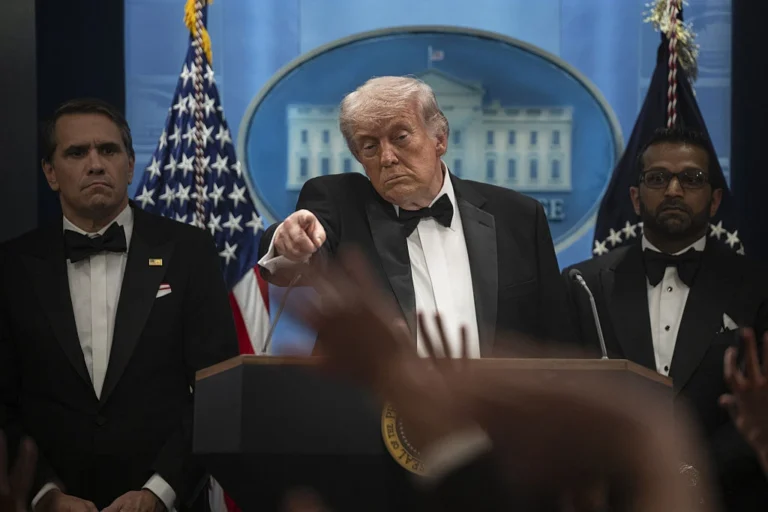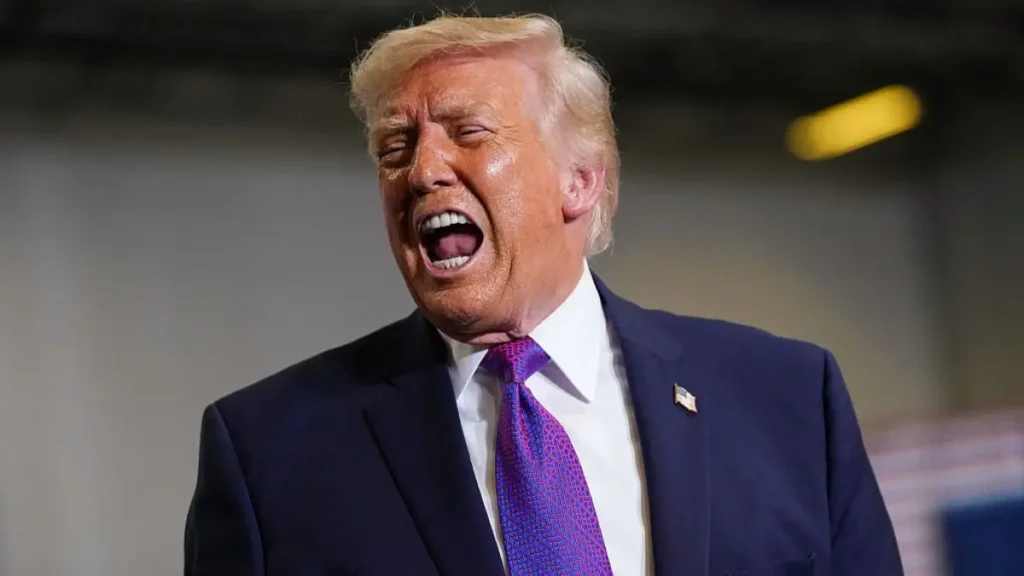
In a bizarre twist that feels plucked straight from a Hollywood script, the latest controversy to engulf the political landscape involves none other than a beloved ‘Star Wars’ actor. The internet erupted when actor Mark Hamill, known for his role as Luke Skywalker, shared a provocative image that many interpreted as a jab at Donald Trump. This wasn’t just a simple tweet or meme; it was a digital headstone, and the implications were as clear as day. The image struck a nerve, and unsurprisingly, it didn’t sit well with Trump supporters, who immediately took to social media to express their outrage.
The White House’s response was swift and dramatic, showcasing just how deeply the rift runs in American politics today. Spokespeople and aides scrambled to address the backlash, describing Hamill’s post as disrespectful and uncalled for. For them, this was more than a celebrity throwing shade; it was an affront to their leader and, by extension, their movement. Misinformation and misplaced rage spread like wildfire, with MAGA supporters calling for boycotts and scathing critiques of Hamill’s career, which frankly, is a testament to their discomfort with satire and criticism that doesn’t align with their views.
While the political implications of this incident are significant, it also illustrates a broader cultural conversation about free speech and the role of public figures in political discourse. Hamill’s post was an artistic expression, a way to channel frustrations into a single, powerful image. The uproar from the White House and MAGA followers only underscores how art can provoke thought, challenge norms, and evoke strong emotions. In a society where the lines between political allegiance and personal identity blur, reactions like these reveal just how much power social media holds in shaping narratives.
In an era when every tweet and post can ignite a firestorm, it’s heartening to see figures like Hamill using their platforms to comment on the state of affairs. This narrative evokes the spirit of the ‘Star Wars’ franchise itself, where good battles against evil, and rebels challenge the status quo. Whether Hamill’s intent was purely artistic or a calculated political statement is up for debate, but one thing is clear: he’s managed to ignite a conversation that resonates far beyond a simple social media post. In the end, as the dust settles, it remains to be seen how this will impact both Hamill’s legacy and the ongoing dialogue about art, politics, and freedom of expression in America.
About The Author