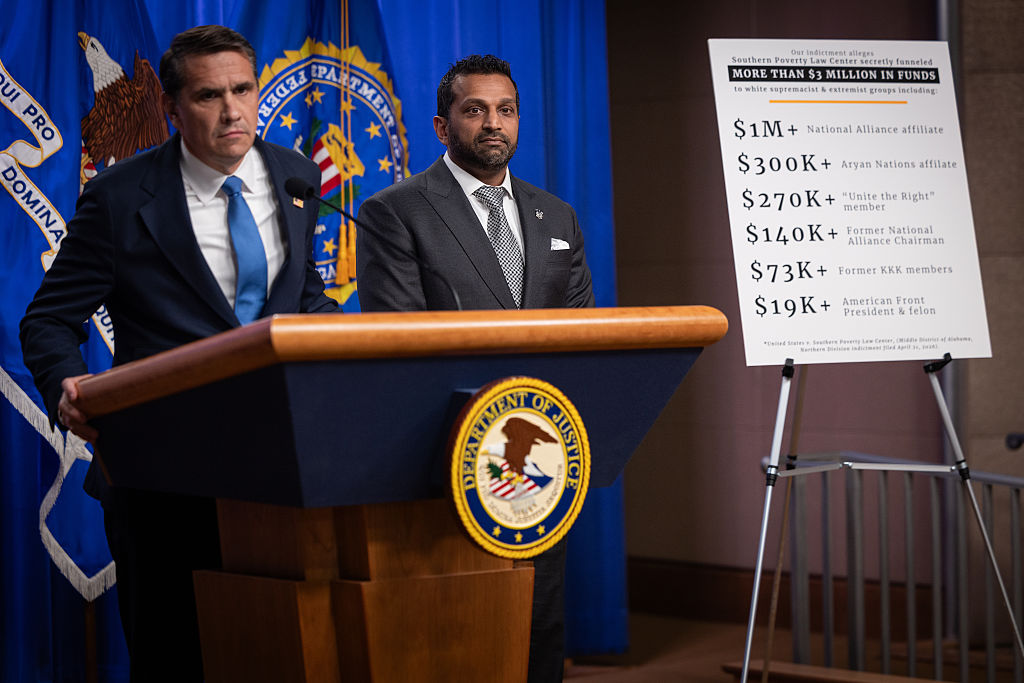
In a shocking turn of events, the Justice Department has indicted the Southern Poverty Law Center (SPLC), a long-standing defender of civil rights and social justice, accusing it of committing financial crimes. The charges allege that the SPLC defrauded its donors by funneling substantial amounts of money to pay informants embedded within notorious hate groups, including the Ku Klux Klan. For decades, the SPLC has been at the forefront of tracking and reporting on extremist organizations, serving as a critical resource in the fight against racism and white supremacy. However, this new indictment raises profound questions about the organization’s methods and the ethical implications of its operations.
Many supporters have long seen the SPLC as a necessary bulwark against hate, yet these allegations could tarnish its reputation and undermine public trust. The indictment suggests that instead of solely advocating for justice, the organization allegedly prioritized its own financial interests over transparency and accountability to its donors. Critics are quick to ask: how does one balance the need for information on hate groups while ensuring that the methods employed do not compromise the very principles of justice and integrity that the SPLC has championed for so long?
As news of the indictment circulates, communities impacted by hate and discrimination are understandably concerned about the implications for their ongoing struggles. The SPLC has historically provided invaluable resources, research, and litigation support for those standing up against racism and bigotry. The fallout from these charges could lead to a significant shift in how organizations and individuals address issues related to hate in America. Especially in the current political climate, where racial tensions continue to simmer, any potential loss of credibility for such an institution could have far-reaching consequences.
Moreover, this indictment raises critical discussions about the broader fight against white supremacy. If an organization like the SPLC, with its vast resources and history, is caught up in allegations of financial impropriety, what does that say about the state of anti-hate activism? This situation starkly illuminates the need for transparency within non-profit organizations, especially those that wield significant influence over public perception and policy regarding civil rights.
As we await further developments, it’s essential for advocates and activists to maintain a critical lens on both the SPLC and the organizations in our communities striving for justice. While uncovering the complexities of hate is vital, we must also ensure that our pursuit of knowledge does not betray our core values. The SPLC’s reputation and future as a defender against hate now hang in the balance, prompting us to reconsider how we engage with institutions that claim to fight for justice.
About The Author