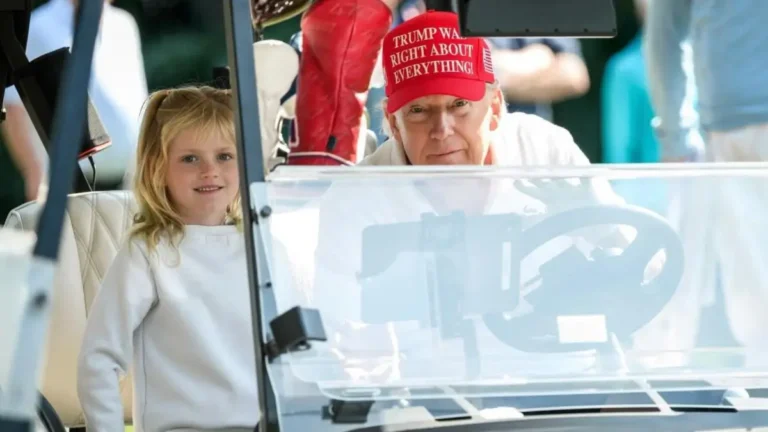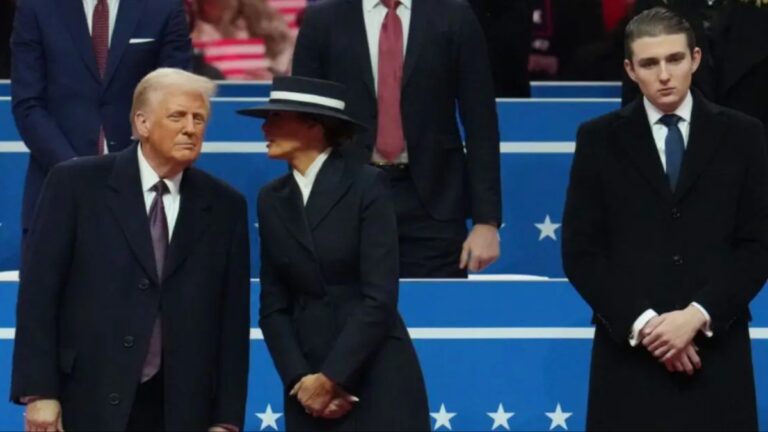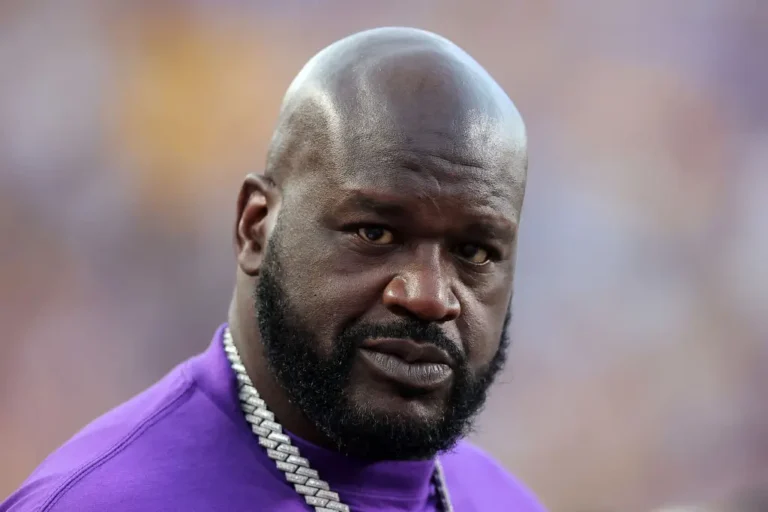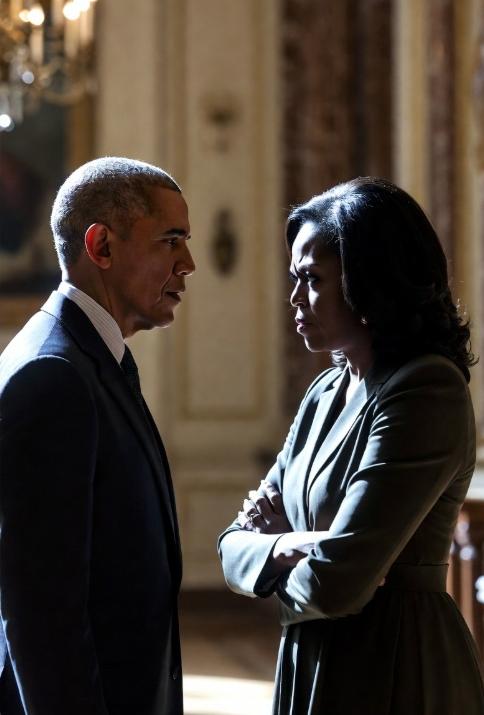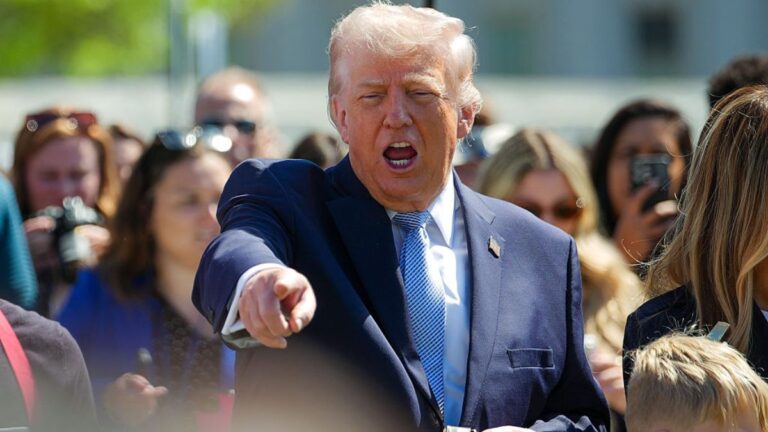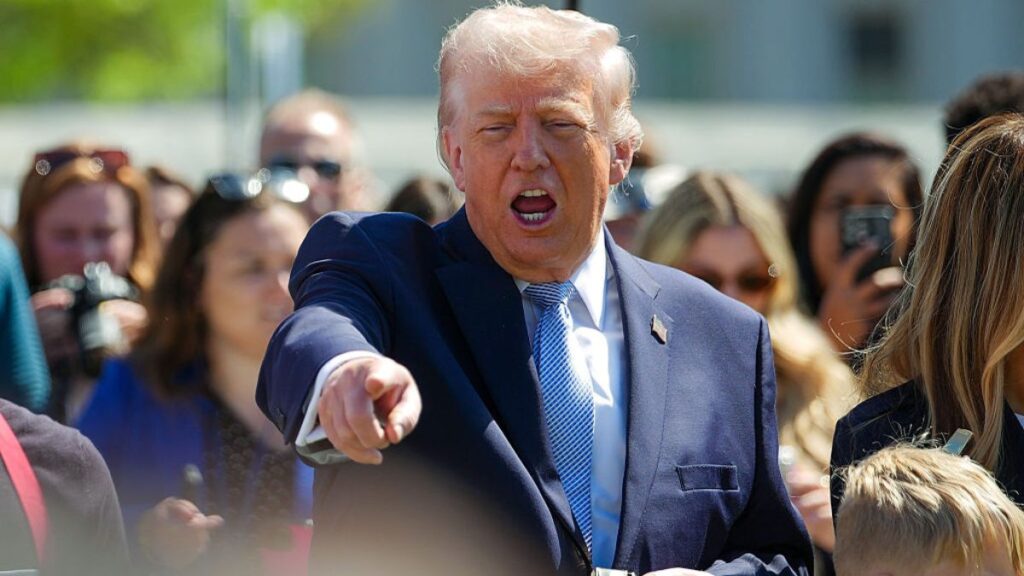
In a moment that could only be described as surreal, former President Donald Trump found himself in the thick of an unexpected confrontation during a recent Oval Office briefing. The focus of the discussion was meant to be about health and fitness initiatives, but as Trump became increasingly animated, his attention shifted to a younger aide who was standing nearby. In an off-the-cuff remark that seemed both playful and aggressive, Trump declared that this young man, who was likely half his size, could take him in a fight. The atmosphere in the room shifted instantly, as laughter mixed with shock, underscoring the unpredictable nature of Trump’s personality and his often theatrical approach to interactions.
This clash of generations within the hallowed walls of the White House brought to light not just the absurdity of the moment but also revealed something deeper about how the former president navigates power dynamics. The younger aide, who was caught off guard, stood there with a bemused expression, as if trying to assess whether Trump was serious or simply being his usual brash self. With the media landscape continuously shifting, such moments serve as a reminder that the intersection of politics and entertainment often yields unpredictable and sometimes outrageous scenarios.
The phrase “kid could take him” resonates as a cultural commentary—an ironic nod to the age disparity and the bravado that often accompanies political discourse. It also reflects how, in the world of politics, the lines between authority and youth culture can blur. Trump, a figure who has consistently relied on bravado and a larger-than-life persona, continues to mold his image as both a leader and entertainer, whether he’s behind a podium or engaging in playful banter. This incident serves as a fascinating case study of how political figures use humor and confrontation to engage with their surroundings.
In a time where political news can often feel heavy and burdensome, moments like these provide a glimpse into the lighter side of political life. They remind us that behind the serious discussions and policy debates, human interaction—and sometimes absurdity—still reigns. As we dissect Trump’s antics, it becomes clear that while the seriousness of governance remains, the way leaders interact, engage, and even jest can significantly shape public perception, making politics feel a little less distant and a bit more relatable.
About The Author