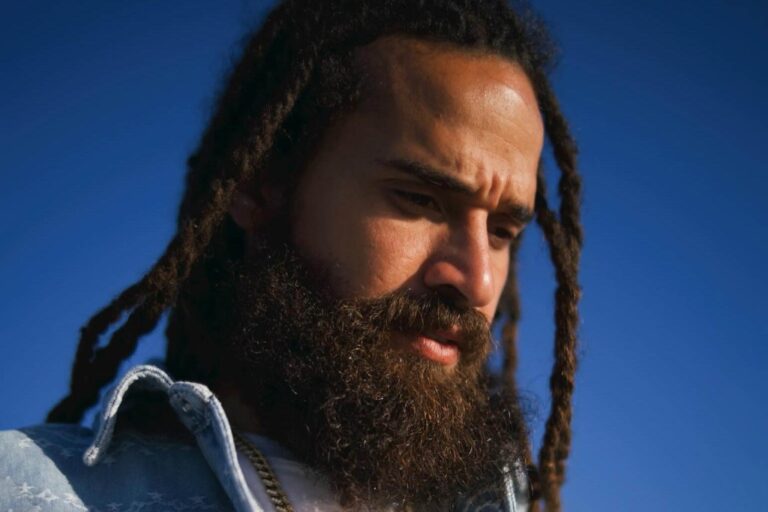
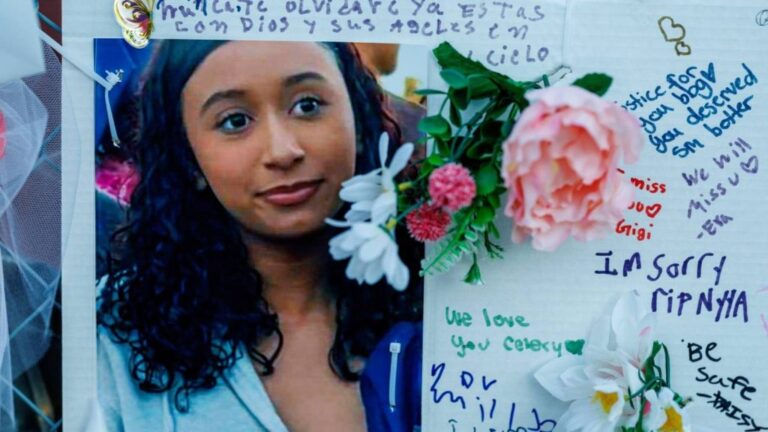
In the latest shocking episode from down under, the world of Hip Hop has been rocked by the kidnapping of Ay Huncho’s bodyguard, an incident that underscores the chilling rise of gang violence in Sydney. This isn’t just another headline; it’s a grim reminder of how quickly the streets can turn from a vibrant scene of creativity to a battleground overshadowed by criminal intentions. As artists are celebrated for their contributions to culture and community, these violent acts reveal a darker underbelly that threatens not just individual lives but the very essence of the culture we cherish.
Ay Huncho, a popular figure in the rap game, now finds himself facing the harsh realities of fame. Five individuals, including a mere 15-year-old, orchestrated this brazen act, marking a disturbing trend where youth are increasingly becoming embroiled in gang-related activities. The audacity of this kidnapping shines a light on the escalating issues in Sydney’s streets. It serves as a chilling wake-up call, reminding us that the allure of the spotlight can quickly turn dark when the communities that nurture these artists are under siege.
We’ve seen this narrative play out before, where the survival of culture is pitted against the violence that sometimes comes with it. The intersection of youthful ambition and desperation is a potent cocktail, and it’s especially poignant when we consider how many young Black lives are caught in this cycle. Instead of being celebrated for their talent, too many are drawn into a world where survival often means crime and chaos. This incident begs us to ask tougher questions about accountability, community support, and the pathways that lead youth away from violence and toward empowerment.
As we unpack the fallout from this kidnapping, it’s crucial to remember that artists like Ay Huncho are not just figures with influence; they are products of their environment, often navigating treacherous waters that many of us can’t begin to understand. Our communities need to rally around these individuals, providing not just support but also a safe haven where creativity can flourish free from the shadow of violence. The hip-hop scene should be a space where stories are told, not where lives are endangered.
In the end, the kidnapping of Ay Huncho’s bodyguard is more than just a crime; it’s a symptom of a systemic issue that demands our attention. We must amplify voices willing to advocate for change and work towards a future where our artists are safe, and their communities thrive without fear of violence. Let’s make sure that this moment serves as a catalyst for a deeper dialogue about how we uplift our own and ensure that the dreams of our artists can exist without the specter of danger looming over them.
About The Author