
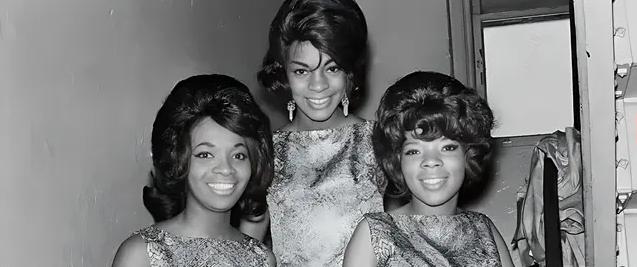
Martha and the Vandellas, the powerhouse trio from Motown, not only left an indelible mark on the music scene but also played a crucial role in the cultural and political landscapes of their time. With hits like “Dancing in the Street” and “Nowhere to Run,” their music became anthems for the civil rights movement, uniting communities and inspiring a generation to fight for justice and equality. The infectious energy and soulfulness of their sound transcended mere entertainment; it became a rallying cry in the struggle against systemic oppression.
The Vandellas were more than just a musical group; they epitomized the essence of Black womanhood during a time of immense social upheaval. Each performance was a display of diva pride, showcasing their strength and resilience in a world that often marginalized their voices. In a male-dominated industry, they not only fought for recognition but also for fair pay, paving the way for future artists to demand their worth. Their legacy can be heard in the harmonies of contemporary girl groups like En Vogue, SWV, and Destiny’s Child, all of whom credit Martha and the Vandellas as significant influences in both sound and spirit.
Their music was a celebration of life and a reflection of the struggles faced by their communities. When Martha and the Vandellas sang about love and heartache, they also tapped into the feelings of an entire generation wrestling with the realities of racial injustice. The intertwining of their personal narratives with broader social themes made their songs timeless classics that continue to resonate. The energy they brought to their performances ignited dance floors across America and remains a source of inspiration for artists today.
As we reflect on their contributions, it’s clear that Martha and the Vandellas were more than just a pop group; they were cultural icons who challenged the status quo and used their platform to uplift a generation. Their music echoed the call for civil rights and equality, and their fight for recognition in the music industry paved the way for artists who came after them. In honoring their legacy, we celebrate not just their extraordinary talent but also their unwavering commitment to social change, ensuring that the spirit of their anthems lives on for future generations.
About The Author




![It’s A 10/10 For Him: Food Critic Keith Lee Gives Hellman’s FIFA Prosperity Promoting ‘Lucky’ Sandwich’ Rave Reviews [Exclusive]](https://powervaultnetwork.com/wp-content/uploads/2026/06/17823308567938-150x150.jpg "It’s A 10/10 For Him: Food Critic Keith Lee Gives Hellman’s FIFA Prosperity Promoting ‘Lucky’ Sandwich’ Rave Reviews [Exclusive]")






![It’s A 10/10 For Him: Food Critic Keith Lee Gives Hellman’s FIFA Prosperity Promoting ‘Lucky’ Sandwich’ Rave Reviews [Exclusive]](https://powervaultnetwork.com/wp-content/uploads/2026/06/17823308567938-768x439.jpg "It’s A 10/10 For Him: Food Critic Keith Lee Gives Hellman’s FIFA Prosperity Promoting ‘Lucky’ Sandwich’ Rave Reviews [Exclusive]")