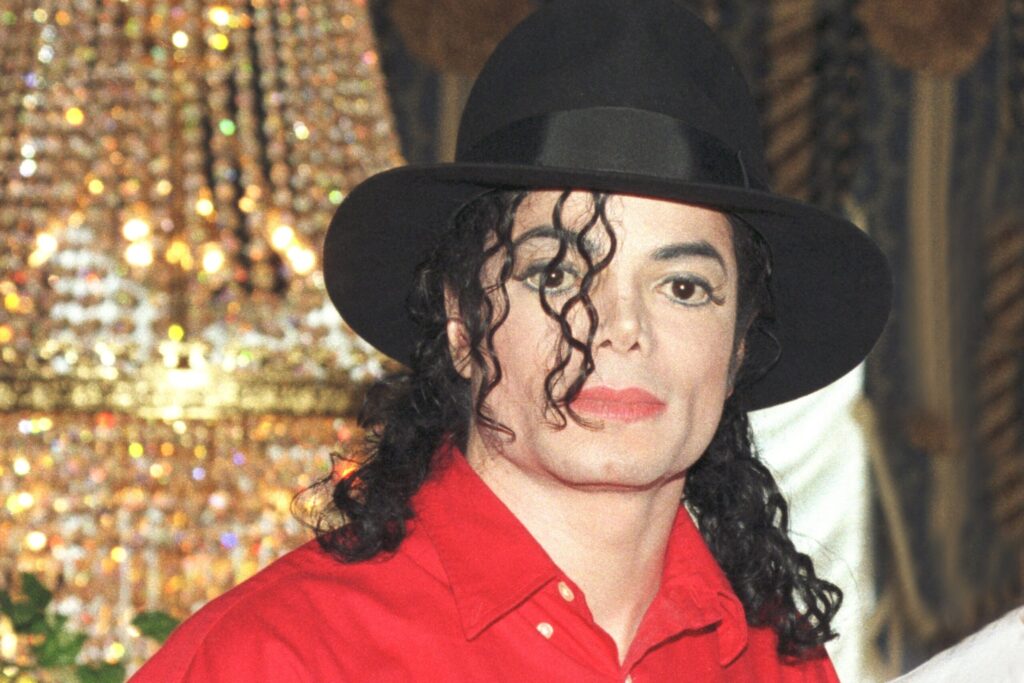
As the new biopic ‘Michael’ hits theaters, it has sparked discussions not only about the King of Pop’s legendary career but also about the controversies that surrounded him, particularly the allegations of child molestation. Fans and critics alike are left wondering why this crucial aspect of his life isn’t represented in the film. The decision not to focus on these allegations is deliberate, and it speaks volumes about the film’s aims and the complexities of MJ’s legacy.
Firstly, it’s essential to recognize that this film is an homage to Michael Jackson, showcasing his artistry, impact, and the cultural phenomenon he became. The creators have chosen to honor his music and contributions rather than delve into the darker allegations that have tainted his legacy for many. By focusing on the highs and the lows of his career, the film seeks to celebrate the man behind the legend while acknowledging, but not centering, the controversy that inevitably follows him.
Moreover, the filmmakers are aware that exploring these allegations requires sensitivity and depth, something that a biographical film may not be able to address adequately within its limited runtime. There’s a risk of sensationalizing an already painful chapter of Jackson’s life, which could overshadow the film’s intended message of celebrating his artistic genius. By steering clear of these allegations, ‘Michael’ aims to create a narrative that resonates with audiences who want to remember the music, rather than the scandal.
This choice has not been without its critics. Many argue that to ignore such a significant part of Jackson’s life feels incomplete, if not irresponsible. Yet, the film’s focus on the joy and innovation he brought to music may be a way to keep his legacy alive in a world often more interested in scandal than substance. It invites viewers to reflect on the duality of his existence—an artist who gave so much to the world but also left behind a complicated legacy. Ultimately, the absence of allegations in ‘Michael’ is not just an artistic choice, but a conscious effort to navigate the complexities of pop culture and personal mythology, leaving room for conversation rather than conclusion.
About The Author