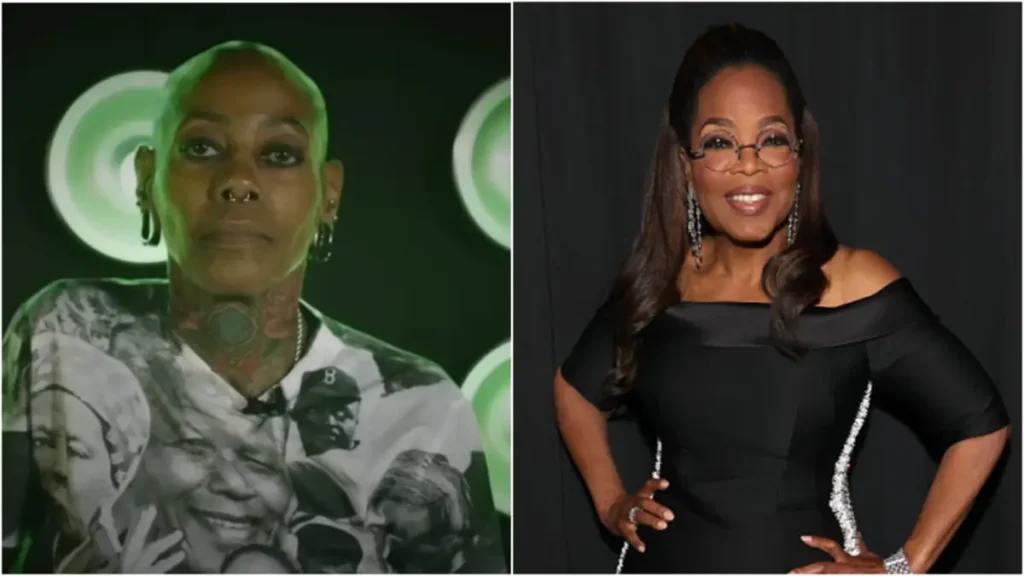
For years, Oprah Winfrey has been a formidable force in the media landscape, but her journey hasn’t been without its challenges. A long time ago, she became a frequent subject for comedians and satirists who poked fun at her weight, fashion choices, and some of the more awkward moments of her storied career. Recently, a response from Debra Wilson, a prominent cast member of ‘MADtv’, revisited Oprah’s past struggles with public perception and her ongoing frustration with the fat-shaming often found in entertainment. Wilson’s icy retort to Oprah’s past grievances has reignited discussions about how far we’ve come—and how far we still have to go—in the conversation about body image and respect in comedy.
Oprah’s candid reflections on the pain that her weight jokes have cause her highlight an all-too-common issue in the industry. Her comments serve as a poignant reminder that laughter often has a price, especially when it targets individuals who are already under scrutiny. In an era where inclusivity and sensitivity are increasingly demanded, it seems that some comedians still cling to outdated tropes. Wilson’s take, though unapologetic, echoes the sentiment of many who feel that the comedic landscape has a long way to go before it can truly champion all bodies, not just the ‘acceptable’ ones.
Wilson, known for her sharp wit and fearless performances, didn’t hold back when discussing the backlash against the very jokes that once made her career. Her cold response can be seen as a rallying cry for the audience to reconsider the implications of making jokes at the expense of others, particularly those in the public eye. The ‘MADtv’ alum’s comments have drawn mixed reactions, with some supporting her viewpoint while others maintain that comedy should push boundaries, even at the cost of some feelings.
As we reflect on this exchange, it’s essential to recognize the larger conversation surrounding body positivity and representation. Oprah Winfrey has become a beacon for many struggling with self-image, and her voice in this dialogue is invaluable. It’s not just about the jokes; it’s about the impact they can have on individuals who look up to figures like Oprah. In a world where visibility means everything, we must ask ourselves whether our laughter is worth the hurt it may cause others. Ultimately, Debra Wilson’s response to Oprah’s frustrations serves as a critical reminder of the power of words—be they spoken in jest or earnest—and the responsibility that comes with it.
About The Author