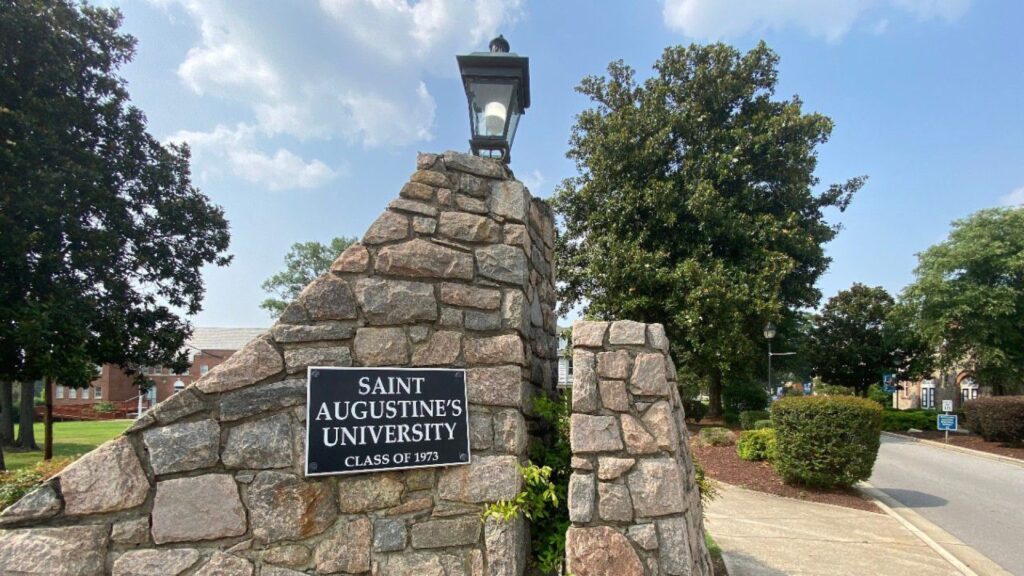
For nearly 160 years, Saint Augustine’s University has stood as a beacon of hope and opportunity for countless students, shaping the lives of Black scholars in the South. However, this week, the university made headlines for a much grimmer reason: it filed for bankruptcy. This decision not only marks a significant chapter in the institution’s storied history but also raises serious questions about the future of its student body and the broader impact on the HBCU community.
The financial struggles leading to this decision reflect a troubling trend for many Historically Black Colleges and Universities, which often face systemic challenges tied to underfunding, enrollment declines, and increased operational costs. Students who have enrolled with dreams of achieving academic and professional success are now faced with uncertainty about their degrees’ legitimacy and the long-term stability of their institution. The ramifications of this bankruptcy could extend beyond the campus, affecting the local economy and job market that depend on the university’s presence.
As students grapple with these changes, many are left wondering what alternatives they have. Transfer options to other institutions may not be straightforward, especially when considering financial aid packages and credit transfers. The emotional toll on students cannot be understated; many entered Saint Augustine’s with a strong sense of cultural identity and community, and now they worry about losing that connection. The resilience of HBCU students has always shone through in moments of adversity, but this situation tests that spirit like never before.
As we reflect on the legacy of Saint Augustine’s University, it’s crucial to advocate for increased support for HBCUs both from the government and private sectors. The funds and resources that could stabilize institutions like Saint Augustine’s are not just investments in schools; they are investments in the future of Black excellence. As we watch this situation unfold, let’s remain committed to supporting our HBCUs, ensuring they can continue nurturing the next generations of leaders, thinkers, and creators. The fight for equity in education is far from over, and together, we can help forge a path forward.
About The Author