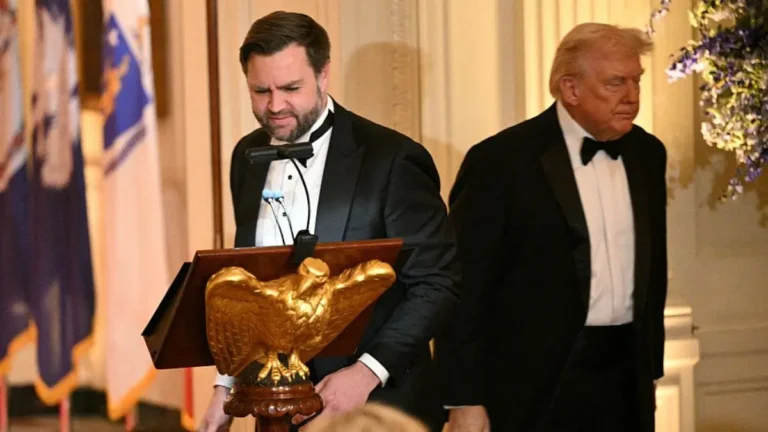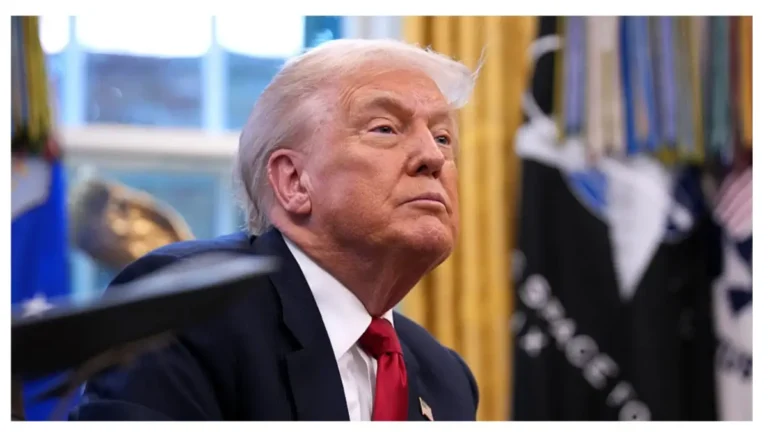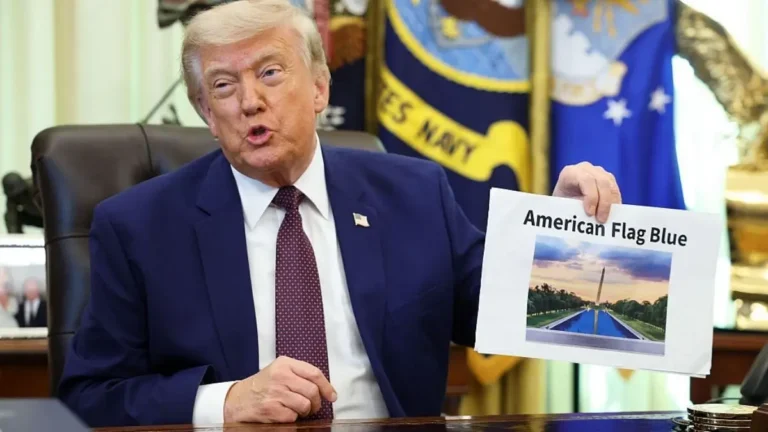
President Donald Trump was asked a straightforward question about which world leaders he admired, and his answer quickly left some viewers scratching their heads. In a recent interview, instead of mentioning any of the traditional allies or prominent figures in global politics, Trump veered off into a tangent that was as baffling as it was unexpected. His comments seemed to reflect more about his own insecurities than the diplomatic relations he often touts as successes.
This peculiar response comes just weeks after Trump’s highly publicized visit to a foreign nation, which some pundits described as a diplomatic disaster. Critics assert that the fallout from that trip has left Trump scrambling for relevance on the world stage, and his erratic response during the interview only seems to confirm that assertion. Rather than solidifying his position or showcasing his understanding of international affairs, Trump’s remarks appeared to be a desperate attempt to assert his relevance amidst criticism.
The confusion raised by Trump’s comments is emblematic of a broader trend in his approach to foreign policy—one that is often marked by impulsiveness and a penchant for the theatrical. As he continues to navigate a complex political landscape, both at home and abroad, it’s clear that his grasp on the nuances of global leadership may not be as strong as he claims. In a climate where diplomatic relationships can make or break a presidency, one must wonder if this latest misstep will have lasting repercussions for both Trump and the United States.
About The Author