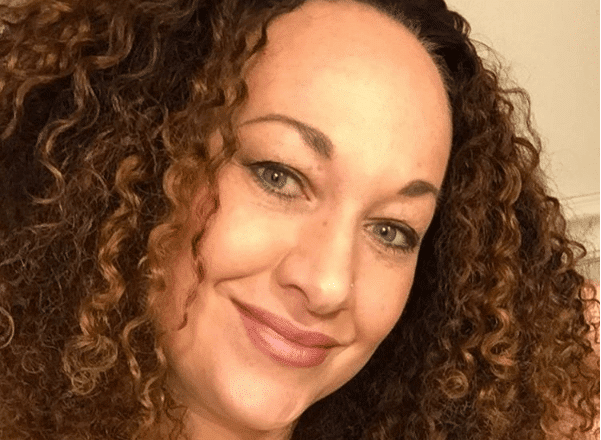
Rachel Dolezal, who once headed the NAACP chapter in Spokane, has been a polarizing figure ever since she was outed for presenting herself as Black while being born to white parents. Her insistence on identifying as ‘trans-Black’ blurs the lines of racial identity and has sparked heated debates about cultural appropriation and authenticity. Recently, Dolezal shared a post revealing a diagnosis of a mental health condition, suggesting that her identity struggles might stem from deeper psychological issues. However, the backlash was immediate and fierce, compelling her to delete the post within hours.
Dolezal’s narrative is one rooted in controversy, illuminating the complexities of race and identity in America. Her previous attempts to justify her choices often fell flat, leaving many questioning her sincerity. The backlash against her latest revelation is a testament to the societal frustration over her persistent efforts to align herself with the Black community. While mental health is a serious topic that deserves thoughtful discussion, the timing and context of her post raised eyebrows, making many wonder if she was seeking sympathy or merely trying to shift the narrative around her actions.
It’s challenging to navigate conversations about identity, especially when they intertwine with personal experiences of trauma or mental health. The cultural ramifications of Dolezal’s identity claims have long overshadowed her personal circumstances. As society grapples with the implications of race and identity, Dolezal’s struggle serves as a reflection of broader issues within our understanding of race in America. Is it possible for one to genuinely identify with a culture that is not their own, or do such claims inherently undermine the lived experiences of those who share that culture?
Social media’s role as a platform for public discussion often amplifies these debates, making it a double-edged sword for individuals like Dolezal. Her story continues to provoke thought and discussion, challenging us to reconsider our definitions of identity and belonging. As we navigate the intricate tapestry of race and community, it remains crucial to approach these conversations with sensitivity and understanding, recognizing the real lived experiences of those affected by issues of identity and cultural appropriation.
About The Author