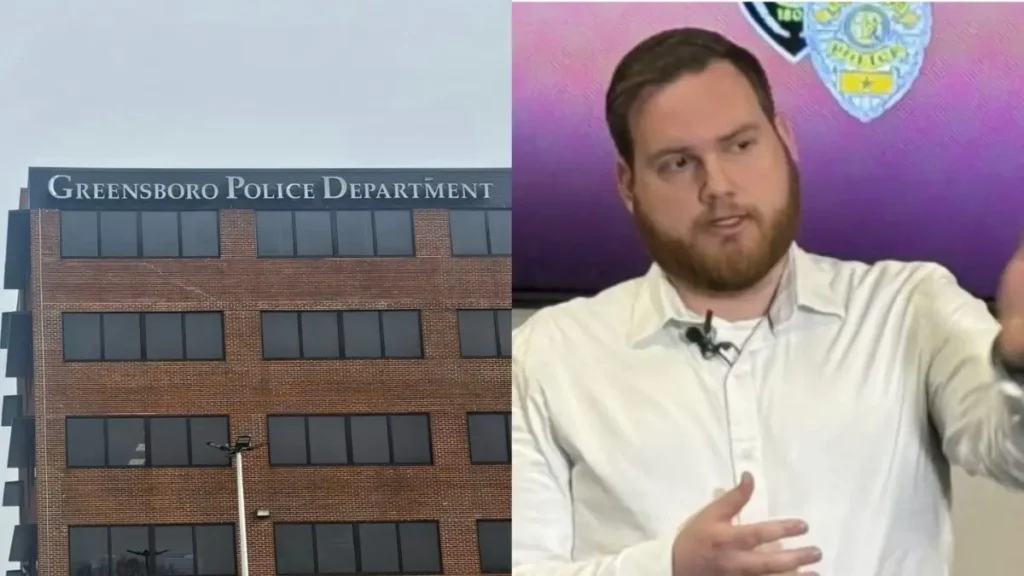
In a world where social media can make or break reputations in an instant, the Greensboro Police Department in North Carolina recently found itself in hot water. An employee of the department took to the agency’s official social media page, posting comments that many locals perceived as condescending and mocking. This misstep didn’t go unnoticed, as residents quickly expressed their outrage online. The fallout was swift, prompting the department to launch an internal investigation into the employee’s actions and intentions.
The incident raises crucial questions about the relationship between law enforcement and the communities they serve. Police departments across the nation are increasingly being held accountable for their interactions with residents, especially in an era where the call for transparency and mutual respect is louder than ever. This situation in Greensboro illustrates how one thoughtless jab on social media can unravel trust and goodwill that takes years to build. It’s a reminder that the tone and manner in which officers and their departments communicate with the public matters significantly, particularly in communities that have historically faced tensions with law enforcement.
As the investigation unfolds, city leaders have echoed the sentiment that the department must take full responsibility for this lapse in judgment. This situation isn’t just about one reckless comment; it’s emblematic of broader issues that many police departments face when navigating modern communication tools. Officers and employees alike must be trained to recognize the power of their words, especially in an environment fraught with scrutiny and heightened emotions.
While the backlash may lead to changes in how the Greensboro Police Department manages its social media presence, it also serves as a critical wake-up call for other law enforcement agencies. It’s time to prioritize community engagement practices that emphasize respect and understanding rather than sarcasm or dismissal. The ongoing dialogue about police culture and accountability continues to evolve, and this incident is just another chapter in a long saga of attempting to bridge the gap between officers and the citizens they’re sworn to protect.
About The Author