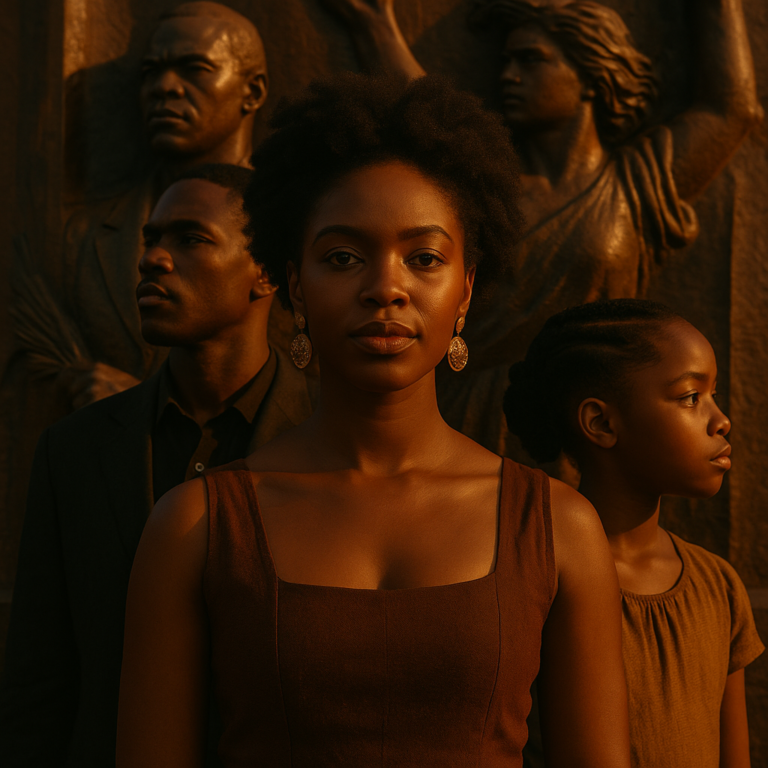
In a world where narratives often get twisted or erased, we have to take control of our stories. Movies and TV shows about the history of American slavery don’t just enlighten us; they reclaim our past and pave the way for our future. These works act as powerful reminders of where we come from, the struggles our ancestors faced, and the resilience that has shaped our culture today. They serve not just as entertainment but as critical education, helping us to understand the depths of our history and the roots of ongoing struggles for justice and equality.
From classics that helped shape our understanding of slavery’s brutality to recent releases that spark important conversations, there’s a wealth of media that dives deep into the horrors and heroism of our forebearers. Films like “12 Years a Slave” and series such as “Roots” are not just cinematic achievements; they’re cultural milestones that remind us of the blood, sweat, and tears that built this nation. These stories force us to grapple with not only the pain of our past but also the strength that emerged from it. They show us that even in the darkest times, our community was forged in fire, sustaining a spirit that refuses to be extinguished.
Moreover, we must recognize the importance of contemporary narratives that continue to shine a light on historical injustices. Projects like “The Underground Railroad” and “Harriet” expand our understanding beyond the shackles of slavery, exploring the lives of those who fought for freedom, and those who still strive for it today. These stories speak to the ongoing battle against systemic racism and the importance of acknowledging our history to dismantle the structures that continue to oppress us. They challenge us to reflect on our current realities and inspire a new generation to engage in activism and advocacy.
As our community watches these films and series, we must encourage discussions around them to deepen our understanding and inspire action. What do these narratives teach us about resilience, unity, and the necessity for social justice? By sharing our thoughts and feelings on these impactful stories, we not only honor the legacy of those who came before us but also actively participate in shaping the future we envision.
Ultimately, it’s not just about consuming these narratives; it’s about embracing them, learning from them, and letting them fuel our collective fight for justice. The stories of our ancestors, the trials they endured and the triumphs they achieved, are not just chapters in a history book—they’re the very foundation of who we are. We owe it to them, and to ourselves, to keep these stories alive, lest we forget the price of freedom and the power of our shared journey.
About The Author