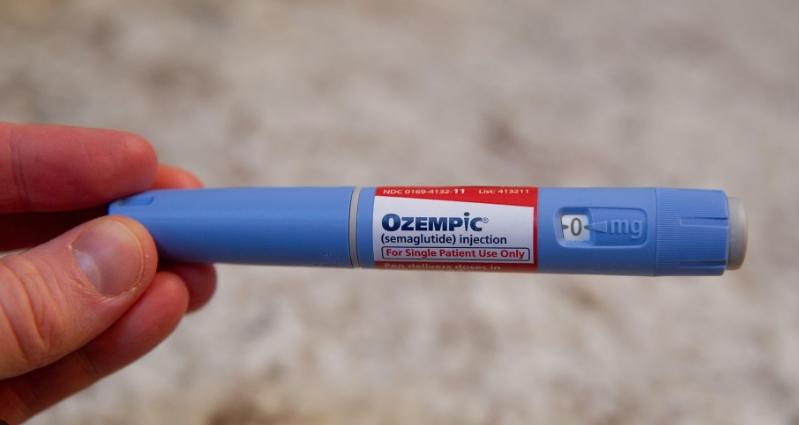
The recent rise of GLP-1 drugs like Ozempic and Wegovy has sparked excitement in the weight loss community, with many celebrating their transformative effects on health and appearance. However, as these medications gain traction, relationship experts are raising eyebrows at a potentially unexpected consequence: a notable spike in divorce rates. The connection between significant weight loss and changes in marital status is not a new concept; historical data has shown that physical transformations can sometimes alter the dynamics of romantic relationships, leading to unforeseen challenges.
As individuals shed pounds and embrace new lifestyles, they may also find themselves reevaluating their relationships. The newfound confidence that comes with weight loss can lead to shifts in self-perception, and sometimes even a desire for new beginnings. The thrill of change, while empowering, can inadvertently cause rifts in partnerships that were previously stable. This phenomenon is particularly poignant in a world where personal identity is often intertwined with physical appearance and societal expectations.
Moreover, the emotional and psychological shifts accompanying such transformations can lead to misunderstandings between partners. One partner may feel threatened or insecure as the other undergoes a significant change, prompting feelings of inadequacy or jealousy. With weight loss frequently linked to improved self-esteem and social engagement, individuals may find themselves exploring new avenues of life that their partners are not prepared for, creating a divide that can ultimately lead to separation.
Experts emphasize the importance of open communication during these transitions. Couples are encouraged to discuss their feelings and concerns openly, ensuring that both partners feel valued and supported. It’s crucial to recognize that while a physical change can signal personal growth, it should not eclipse the foundational elements of a relationship built on love and respect. As we navigate a culture where appearance often takes precedence, understanding and empathy remain key in weathering the storms that accompany such life-altering decisions.
In the end, while GLP-1 drugs may support personal health journeys, they also highlight the complex interplay between self-improvement and relational dynamics. As society continues to grapple with the implications of these powerful medications, it’s a reminder that transformation—whether physical, emotional, or relational—requires sensitivity and connection to thrive.
About The Author