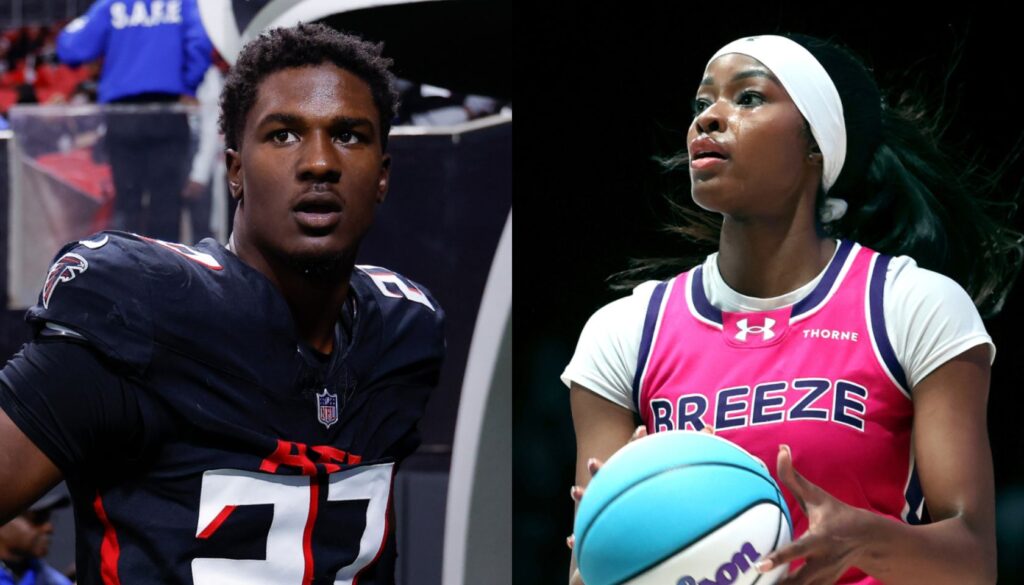
In a controversial turn of events, NFL player James Pearce Jr. has successfully negotiated his way into an intervention program, allowing for the potential dropping of serious criminal charges he faced. This development has sparked discussions about privilege and accountability, particularly in a world where wealth often influences legal outcomes. Pearce, known not just for his athletic prowess but also for his high-profile lifestyle, finds himself avoiding the jail time that would typically accompany the allegations against him. The program, designed to help offenders rehabilitate rather than punish, raises questions about the fairness inherent in a system that sometimes seems to favor the affluent.
Adding another layer to this unfolding story is the involvement of Rickea Jackson, the victim in this case, who has reportedly agreed to Pearce’s participation in the intervention program. Her stance might bring a sense of closure for both parties, but it also stirs public emotions, as many wonder if the process truly serves justice or simply allows the wealthy to sidestep accountability. In an era where the #MeToo movement and discussions around consent are at the forefront, this situation challenges our perceptions of victim rights and the implications of personal choice in legal proceedings.
The optics of this case are hard to ignore. Pearce’s ability to navigate a complex legal landscape offers a glimpse into the privileges that come with fame and fortune. For many, it highlights the disparity faced by average individuals who lack the means to secure such options. While intervention programs can be beneficial for rehabilitation, the perception that they’re accessible primarily to the affluent raises significant ethical questions. Is it fair that a wealthy athlete can bypass traditional legal consequences while an ordinary citizen might not have the same opportunities?
As the story continues to develop, the public will be watching closely to see how these dynamics unfold. How this situation will affect Pearce’s career and public image remains uncertain, but one thing is clear: it has ignited conversations that delve deep into the intersection of fame, power, and justice. In a culture that often idolizes athletes, the implications of their actions and the subsequent legal ramifications deserve scrutiny, especially when they seem to evade consequences that most would face in similar circumstances. The dialogue around accountability, especially within the realm of sports and entertainment, has never been more critical, ensuring that the voices of all involved are heard in this ongoing narrative.
About The Author