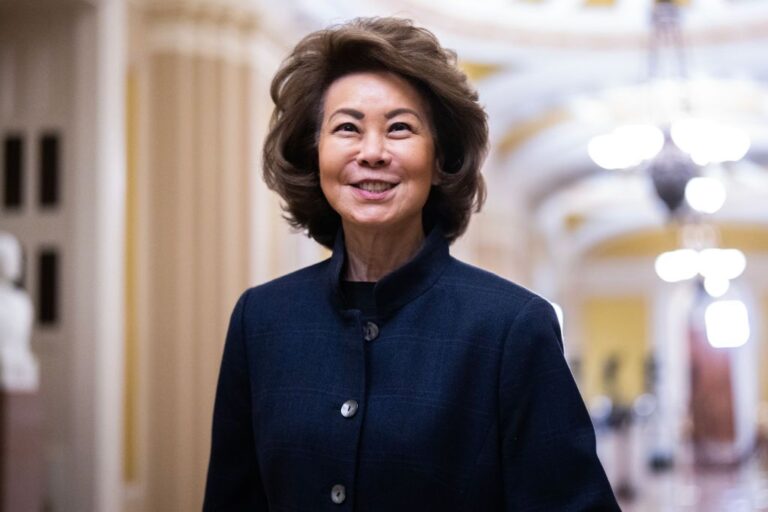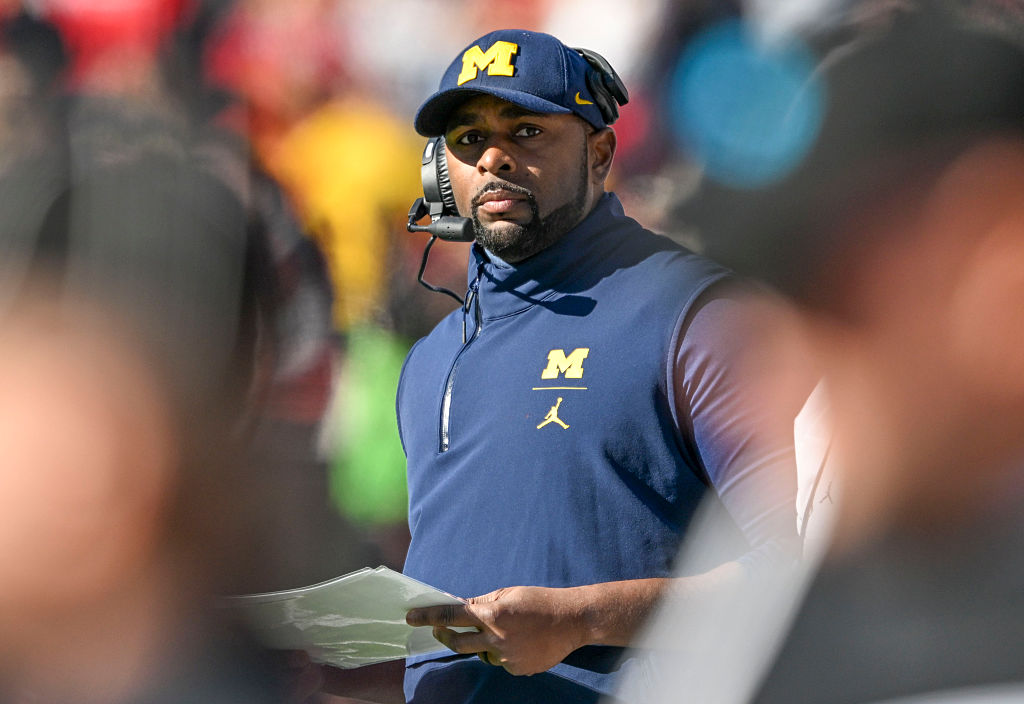
In a candid interview that has sent ripples through the college football community, Paige Shiver, a former assistant at the University of Michigan, opened up about her troubling relationship with Sherrone Moore, the Wolverines’ offensive line coach. Shiver alleges that her time working under Moore was marred by emotional manipulation, a dynamic that ultimately left her feeling isolated within a program that prioritized football over her personal wellbeing. As she reflects on her experience, it’s clear that the culture around college athletics can sometimes overshadow the human experience, particularly for those in vulnerable positions.
Shiver’s revelations are not just allegations; they paint a picture of a woman who felt trapped in an environment that should foster growth but instead turned toxic. She recounted scenarios where her emotional state was dismissed, highlighting how the pressures of the football program eclipsed her own needs and mental health. The heartbreaking moment, however, came when she revealed how Moore reacted upon learning about her pregnancy. Rather than offering support or understanding, Shiver claims his response was cold and dismissive, further illustrating the emotional toll of their relationship.
This disturbing narrative is not just a personal story; it speaks to a larger issue within collegiate sports, where the emphasis on performance often comes at the cost of the individuals involved. Shiver’s experience raises critical questions about the responsibilities of universities and programs to protect their staff and foster a supportive environment, particularly for women who may already feel marginalized in such male-dominated spaces.
The fallout from this revelation could be significant, especially as more people come forward with their own experiences in similar situations. Shiver’s courage in speaking out might encourage others who have felt silenced to share their stories, igniting a necessary conversation about accountability in sports. As fans and stakeholders in college football, we must demand a culture that values the wellbeing of all its members, ensuring that nobody has to suffer in silence under the weight of emotional manipulation.
As this story continues to unfold, it is our duty to listen and reflect on the culture surrounding college sports. Shiver’s voice adds to the chorus of those calling for change, reminding us that while the game may come first for many, the people behind the scenes are what truly matter.
About The Author