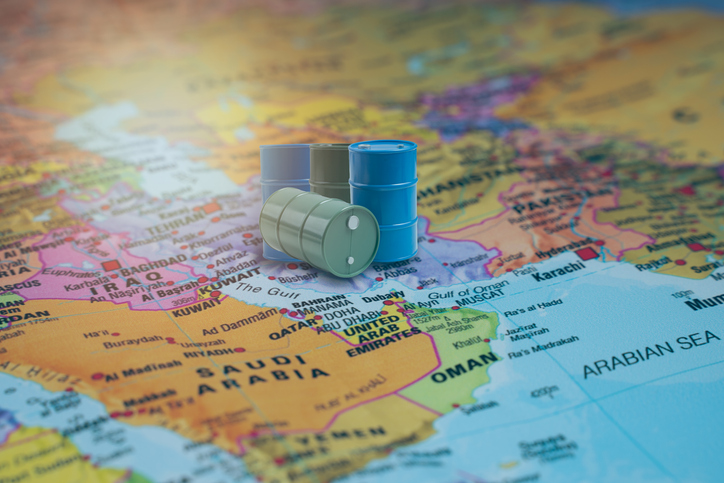
The waters of the Strait of Hormuz, a crucial artery for global oil transport, remain mired in uncertainty, even with a ceasefire ostensibly holding between the United States and Iran. For those of us who keep a keen eye on geopolitical tensions, this isn’t just another headline; it’s a stark reminder of how fragile peace can be and how it impacts us all, from the prices we pay at the pump to the stability of global markets. The reality is that shipping companies are still hesitant to navigate these waters, and for good reason. The specter of conflict looms large, and the stakes have never been higher.
As we watch this situation unfold, it’s essential to understand the broader implications. The Strait of Hormuz is responsible for about a fifth of the world’s oil supply, and its stability is directly linked to economic security—not just for the United States, but for our communities across the globe. It’s a sobering thought that our livelihoods can be impacted by tensions thousands of miles away. When major shipping lines hesitate to travel through such a critical route, it isn’t just a logistical issue; it’s a potential economic crisis waiting to happen.
The historical context here cannot be ignored. The United States and Iran have danced this dangerous tango for decades, with each move on the chessboard further complicating relations. The ceasefire might bring a momentary sigh of relief, but we know from experience that these moments are often fleeting. The fact that shipping companies remain wary suggests that trust has been eroded, and rebuilding that trust will take more than a temporary agreement. We can’t overlook the fact that this is a region rich in oil but also steeped in conflict, and the ongoing tensions are a reminder of how intertwined our lives are with global politics.
Many of us feel the weight of these issues, not just as spectators but as people living in a world that has been shaped by these geopolitical games. We see the implications in rising fuel costs, the ripple effects on supply chains, and the potential for economic instability. It’s a stark reminder that while we may feel removed from these geopolitical dramas, we are inextricably linked to them. The decisions made in high-stakes negotiations can affect our daily lives in very real ways.
As we reflect on the current standstill in the Strait of Hormuz, let’s not just be passive consumers of news. Let’s engage with these issues, understand their implications, and advocate for a future that prioritizes peace and economic stability. The world is watching, and our voices matter. In a time where uncertainty abounds, we must remain vigilant, for the oceans may be vast, but the impacts of conflict are all too intimate.
From The Source
About The Author