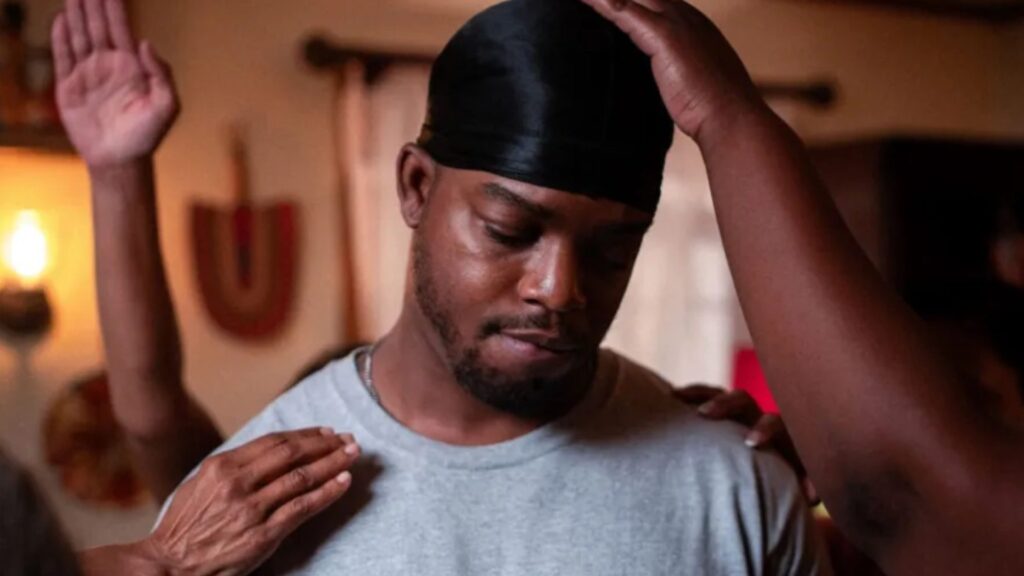
After making a significant impact at the Sundance Film Festival, the film ‘Ricky’ arrives in theaters with a compelling narrative that challenges us to think deeply about accountability and redemption. Directed by the talented Rashad Frett, ‘Ricky’ follows the journey of a man who has just been released from prison, navigating the complexities of reintegration into a society that often stigmatizes those who have served time. Through Ricky’s eyes, we witness the struggles and triumphs of finding a place in a world that seems to have moved on without him.
The film doesn’t shy away from the harsh realities of life post-incarceration, confronting the systemic barriers that individuals face when attempting to rebuild their lives. It highlights not only the personal battles of guilt and shame that Ricky must overcome but also the societal expectations that weigh heavily on those who have been incarcerated. Frett’s direction brings a raw authenticity to the story, using powerful performances and a poignant script to create an emotional landscape that resonates with audiences.
What makes ‘Ricky’ particularly engaging is its exploration of accountability—not just for the mistakes of the past, but also in terms of personal growth and the importance of community support. As Ricky grapples with his past choices, the film invites us to reflect on our own responsibilities towards those who have stumbled and are seeking a second chance. In an era where discussions about criminal justice reform are more prominent than ever, ‘Ricky’ serves as a vital reminder of the humanity that exists within us all, regardless of our past.
As audiences settle into their seats to watch ‘Ricky’, it’s not just a film about one man’s journey; it’s a call to action for empathy and understanding in a society that often chooses to judge rather than uplift. With its award-winning pedigree and a story that is as timely as it is timeless, ‘Ricky’ is destined to spark conversations about forgiveness, social justice, and the possibilities of redemption. This Sundance-awarded film is a must-see for anyone who believes in the power of change and the importance of second chances.
About The Author