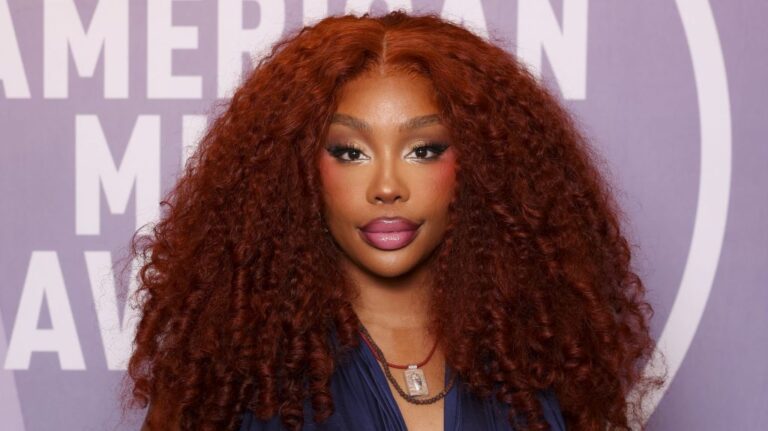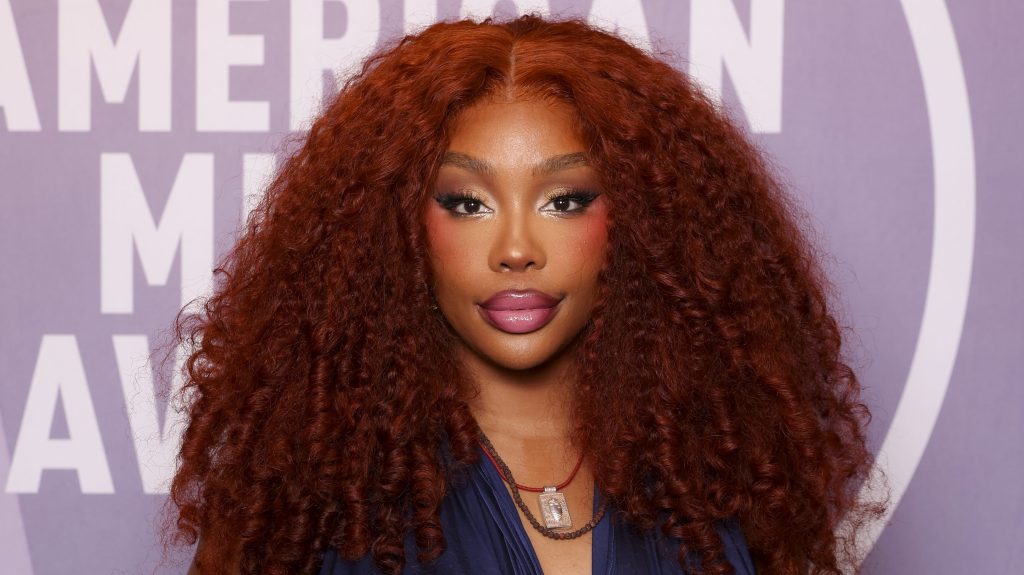
In a bold stand against the growing encroachment of artificial intelligence in the music industry, SZA has called out the exploitation of artists, particularly Black musicians, by generative AI platforms. Recently, it was revealed that a model used by the AI platform Suno had been trained on hundreds of her songs without her consent, igniting a firestorm of conversation about the ethics of AI in artistry. SZA’s response has been as fierce as it is necessary; she’s urging her peers to reject the use of AI that commodifies their unique voices and experiences.
The reality is stark: as technology advances, the authenticity and individuality that define music are at risk of being diluted. In an industry that has historically marginalized Black artists, the use of AI to replicate their work without fair compensation or recognition is not just a technological issue; it’s a cultural one. By specifically calling out Diplo and his involvement with Suno, SZA shines a light on the responsibility within the industry to protect artists rather than exploit them. This is more than a simple conversation about innovation—it’s about dignity and respect.
SZA’s message resonates deeply within the artistic community, reminding us that every note, lyric, and melody carries the weight of lived experiences. The music industry is built on the foundation of creativity and authenticity, and the rise of AI threatens to shatter that foundation. As musicians and fans, we must collectively stand against the exploitation of our art and ensure that our voices are not only heard but valued. Rejecting AI isn’t just a matter of personal choice; it’s a call to arms for all artists to reclaim their narratives and protect their craft.
About The Author