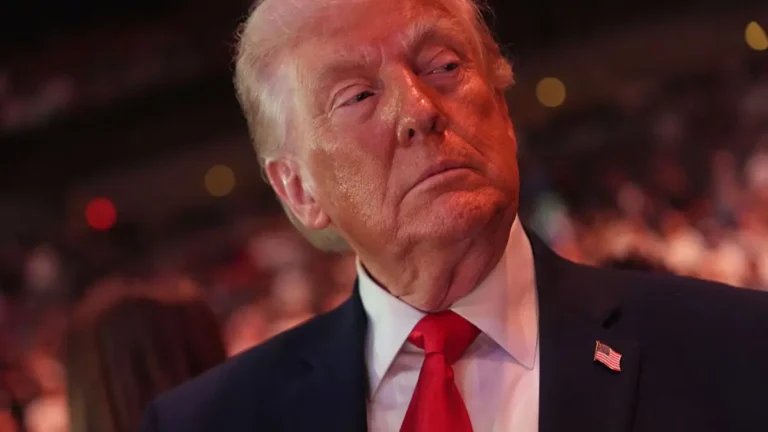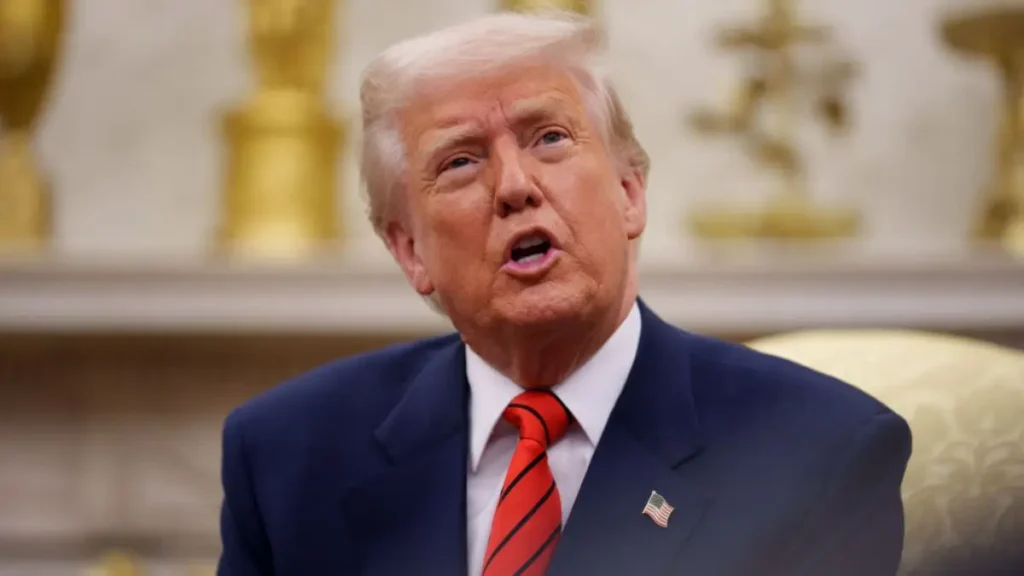
In a world where decorum often takes a backseat to crass bravado, former President Donald Trump has once again found himself at the center of controversy, this time taking aim at a prominent religious leader. The intersection of faith and politics has rarely been more jarring than in recent events, where Trump, in a moment of unchecked fury, unleashed an attack that not only showcased his trademark unpredictability but also highlighted a disturbing trend in political discourse. With the echoes of Pope Francis’s calls for peace ringing in stark contrast to Trump’s barbed threats, the absurdity of the situation became painfully evident.
The incident unfolded as Trump attempted to belittle the influence of the religious leader, whose messages often lean towards compassion and reconciliation. In a landscape where leaders should ideally inspire hope, Trump’s reaction was anything but uplifting. Instead, it added fuel to an already polarized atmosphere, leaving many to wonder how we have arrived at a point where spiritual guidance is met with disdain. The juxtaposition of a former president invoking divinity while issuing threats is not just ironic; it also raises critical questions about the moral compass that guides our leaders.
Things took an even wilder turn when Trump shared an outrageous image, ostensibly to clarify his position. The image, however, only deepened the confusion, as Trump clumsily attempted to explain its significance. The backlash was swift and unforgiving, spiraling into a frenzy of memes and commentary across social media. Such a misstep serves not just as a testament to Trump’s unpredictability but as a glaring reflection of a societal appetite for spectacle over substance.
In the wake of this unhinged episode, one can’t help but feel a sense of profound disappointment. It’s disheartening to witness a figure with such significant influence wielding words like weapons, especially when juxtaposed with a call for peace. In moments like these, we are reminded of the dire need for leaders who prioritize unity over division and call for empathy rather than aggression. As the dust settles, one thing remains clear: the current state of political rhetoric continues to test our collective patience—and our faith in the possibility of a more harmonious dialogue.
Ultimately, this absurd spectacle is emblematic of a broader cultural crisis. As we sift through the wreckage left in the wake of incendiary remarks and misguided images, let us hold fast to the ideals that elevate our discourse. Our leaders should empower us to rise above petty squabbles, inspiring a movement towards understanding while standing firm against the tide of hatred. History has shown that the intersection of faith and politics can be turbulent, but it is the journey towards mutual respect and understanding that will pave the way forward.
About The Author