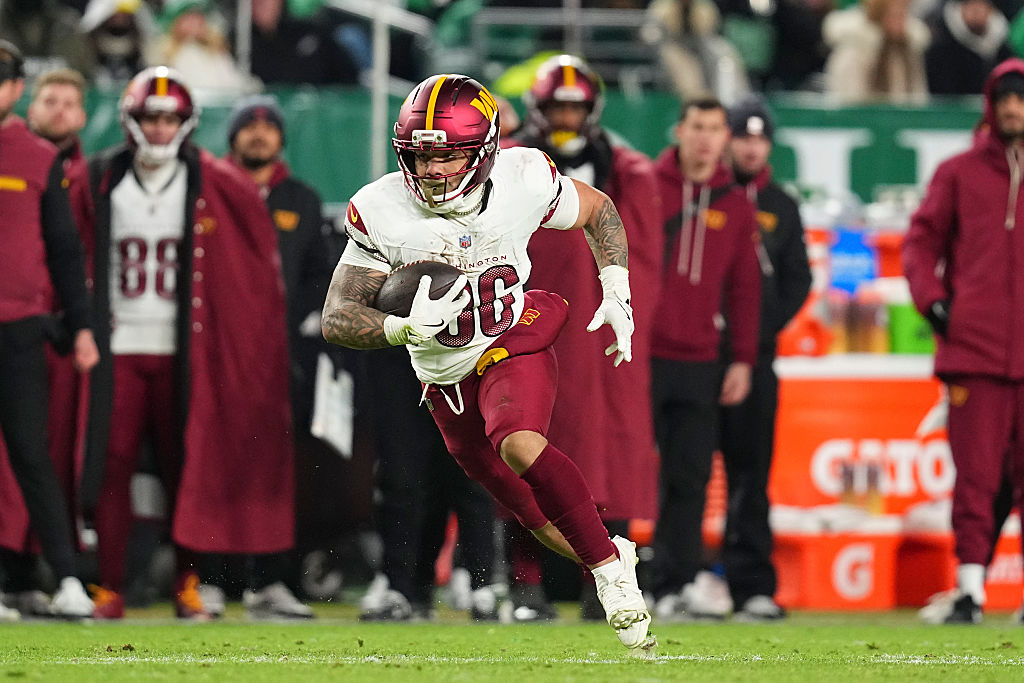
The return of the Commanders to Washington, D.C. is more than just a nostalgic revival; it symbolizes a potential cultural renaissance—or so the city would like us to believe. As plans unfold for the redevelopment of the RFK Stadium site, which spans a monumental 180 acres along the banks of the Anacostia River, the conversation is evolving from excitement to scrutiny. This area, rich in Black history and culture, has long been overlooked, and residents are beginning to ask an uncomfortable question: who will truly benefit from this redevelopment?
For decades, communities east of the Anacostia have fought against systemic neglect. Once vibrant neighborhoods have been marked by disinvestment, and the promise of revitalization often feels more like a mirage than a tangible reality. As city officials tout plans for parks, entertainment venues, and a potential home for the Commanders, locals are left wondering how this vision aligns with their needs. Will the revitalization efforts bring jobs, affordable housing, or essential services, or will they merely serve as a backdrop for new, wealthier residents while the original community is pushed further out?
The Commanders’ return could be an opportunity for cultural reclamation, but gentrification looms large. As the city prepares to welcome the team back, it must confront the dissonance between sports enthusiasm and the lived realities of its Black residents. The Anacostia River, once a lifeblood for the communities surrounding it, risks becoming a dividing line as developments cater to tourists and affluent newcomers, leaving long-time residents feeling alienated in their own neighborhoods. These are the voices that often get drowned out in the excitement of a new era.
Moreover, how the city navigates this redevelopment speaks volumes about its commitment to equity and inclusion. It’s not just about cheering for the home team; it’s about ensuring that the home team’s return doesn’t come at the expense of those who’ve held the fort for years. As the Commanders gear up for their new chapter, the real challenge lies in how they and the city engage with the community—turning a nostalgic revival into an inclusive renaissance, instead of another chapter in a long book of displacement. Only time will tell if this redevelopment can transcend the sidelines and truly serve the community that has been waiting for its moment to shine.
About The Author