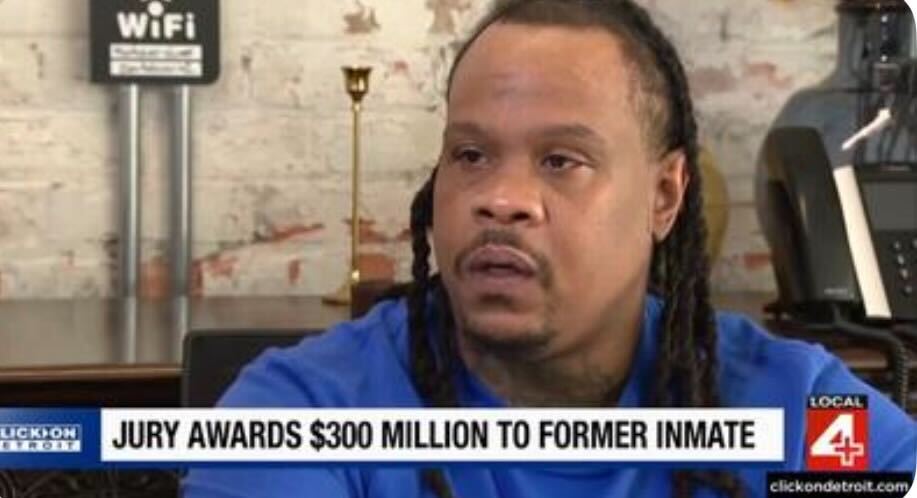
In a story that underscores the dire consequences of systemic neglect, a Black Michigan inmate was forced to endure life with a leaking colostomy bag for two harrowing years. The saga began when a private insurance company opted to deny him a necessary $919 surgery that could have alleviated his suffering, deeming the procedure ‘too expensive.’ This shocking decision not only impacted his health but raised critical questions about the ethics surrounding inmate healthcare in America. What should have been a straightforward medical intervention spiraled into a nightmare, exposing the stark realities faced by those behind bars who often lack access to basic human rights and medical care.
As the inmate’s plight continued, the haunting effects of the non-treatment took a toll on his quality of life. The leaking bag caused not just physical discomfort but also emotional distress, leading to feelings of isolation and humiliation in a system where dignity should be afforded to all, regardless of their circumstances. Ultimately, the insurance company, in an astonishing turn of events, found itself facing a monumental financial judgment: they now owe him $307,600,000. This astronomical figure isn’t just a monetary penalty; it represents a fierce indictment of a healthcare system that too often prioritizes profits over people.
This situation raises broader questions about the treatment of marginalized individuals within the criminal justice system. Are we willing to hold companies accountable for decisions that compromise the well-being of those who are already vulnerable? The truth is, stories like this one shed light on a pattern that can no longer be ignored. The intersection of race, healthcare, and justice is a conversation long overdue in America, and this case serves as a stark reminder of the urgent need for reform.
As communities gather to discuss solutions, it’s essential to remember the humanity at the core of these statistics. This inmate’s experience is emblematic of the broader struggles faced by many—particularly Black individuals—navigating an often unforgiving system. Moving forward, we must amplify these narratives to foster awareness and advocate for change, recognizing that justice isn’t just about accountability; it’s about ensuring dignity for all, even behind bars. Let this case be a rallying cry for action, urging us to dismantle the structures that allow such tragedies to unfold.
About The Author