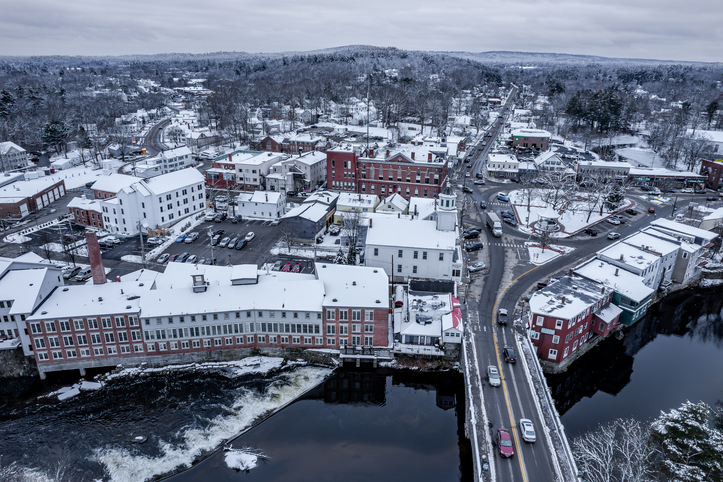
In the rich tapestry of American literature, few figures shine as brightly yet are as overlooked as Harriet E. Wilson. Born in 1825 in New Hampshire, Wilson is recognized as the first Black woman to publish a novel in the United States, a groundbreaking achievement that paved the way for countless writers who followed. Her novel, “Our Nig,” published in 1859, is a poignant account of her own experiences with race and class, depicting the struggles and resilience of a young Black girl navigating a pre-Civil War society that was rife with discrimination and hardship.
Wilson’s narrative is not just a story; it is a powerful reflection of the times, offering insight into the complexities of race relations in 19th-century America. “Our Nig” tells the story of Frado, a bi-racial girl raised by a white family whose indifference and cruelty serve as a microcosm of the broader societal issues of the era. Through Frado’s journey, Wilson articulates the pain of racial identity and the quest for belonging in a world that often seeks to deny it. Her work was revolutionary, as it challenged the predominant narratives of the time that marginalized Black voices and experiences.
Despite her monumental contribution to literature, Wilson’s story remained largely forgotten for many years. It wasn’t until the late 20th century that her work began to receive the recognition it deserves, sparking interest in the lives of women writers who have often been sidelined in the literary canon. Harriet E. Wilson’s legacy is a reminder of the importance of amplifying diverse voices and experiences in literature, particularly those of Black women, who have historically been underrepresented and overlooked.
Today, as we reflect on Wilson’s impact, we recognize that her literary courage was not only a testament to her talent but also a bold declaration of existence in a society that frequently sought to silence her. Harriet E. Wilson’s work continues to resonate, serving as an inspiration for a new generation of writers who strive to tell their own stories and challenge the narratives that have dominated American literature for far too long. In celebrating her, we not only honor her legacy but also acknowledge the ongoing journey toward a more inclusive literary world.
About The Author