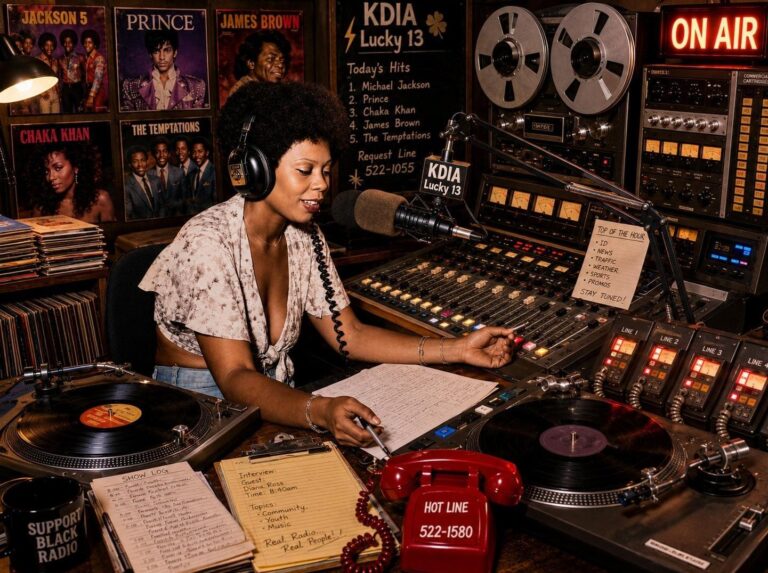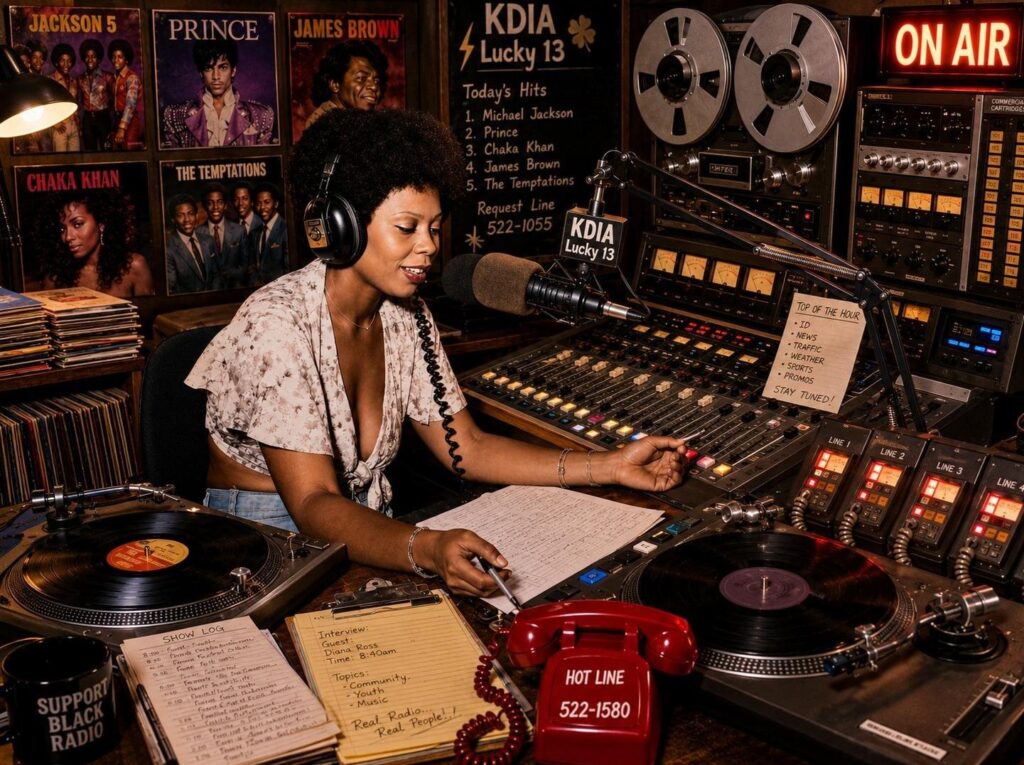
They wanted our rhythm, but they locked out our blues. The systemic eradication of Black media infrastructure—from the boardrooms to the engineering consoles—has been a silent but powerful force in shaping the narrative of American music and culture. The golden age of Black radio was not merely a backdrop for the vibrant sounds of jazz, soul, and R&B; it was a revolutionary platform where Black voices carved out space in a segregated society. From the 1960s to the 1980s, Black radio stations flourished, becoming beacons of cultural pride and community solidarity.
During this era, the airwaves burst forth with unfiltered creativity, encompassing everything from the fiery speeches of civil rights leaders to the infectious grooves of local artists. Yet, as the music grew louder, so did the forces that sought to silence it. Corporate interests began to infiltrate the airwaves, prioritizing profits over authenticity, and the systematic dismantling of Black media infrastructure commenced. Once a sanctuary for cultural expression, radio became a battleground where the fight for representation clashed with the greed of conglomerates eager to commodify our sound.
Today, the remnants of that golden age linger in the echoes of our music, yet modern algorithms threaten to overshadow these legacies. They have become the new gatekeepers, dictating what is heard and who gets to be heard. While the struggle for equitable representation continues, it’s crucial to acknowledge the sacrifices and triumphs of those who paved the way. The rhythm may still resonate, but without conscious effort to uplift and sustain Black media, our blues risk fading into memory. The fight for our dial is far from over; it is a call to action for all who cherish the rich tapestry of Black culture.
About The Author