By Simone Walker, PowerVault Staff
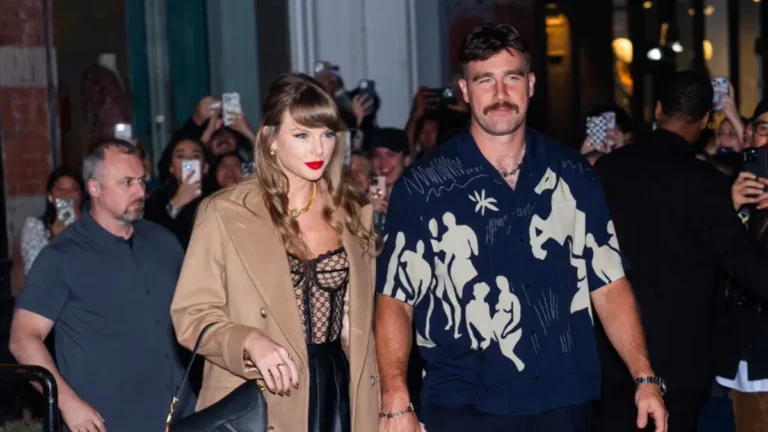
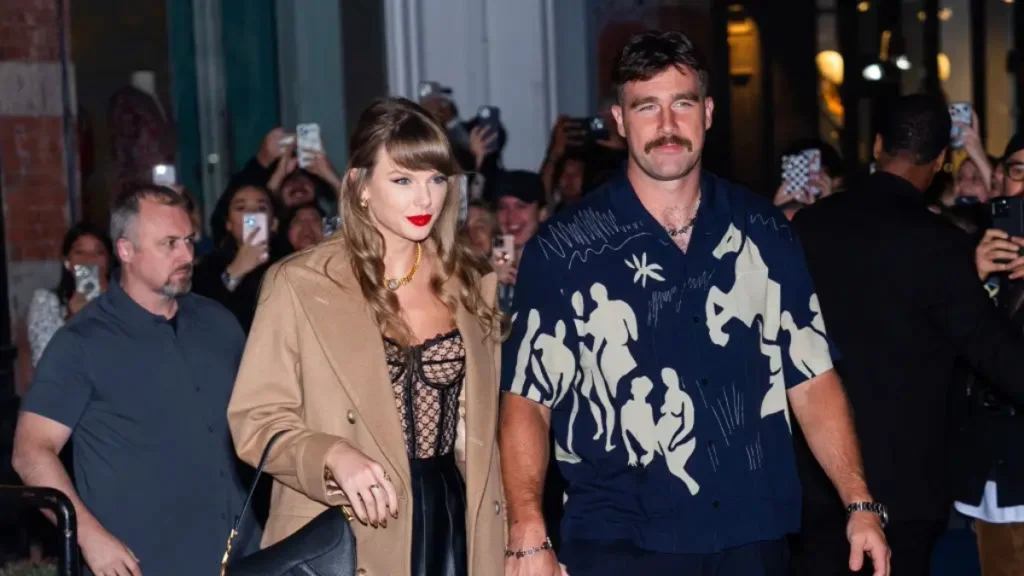
In a world where celebrity gossip reigns supreme, the rumored wedding of pop icon Taylor Swift and NFL superstar Travis Kelce has become the latest spectacle to consume the media. Reports of alleged phone bans and NDAs ahead of the supposed nuptials have led to chaos in New York City, highlighting how far some celebrities will go to maintain control over their narratives. But let’s be real — this isn’t just about two people tying the knot; it’s a calculated production aimed at ensuring every moment is curated for maximum impact.
To truly understand the frenzy surrounding Swift and Kelce, we need to rewind a bit. Swift, with her meteoric rise in the music industry, has long been a master of reinvention and media manipulation. Her relationships often serve as fodder for her lyrics, giving fans a glimpse into her personal life while also keeping them at arm’s length. On the other hand, Kelce, while primarily known for his football prowess, has stepped into the limelight, leveraging his relationship with Swift to expand his brand beyond the gridiron. The combination of their star power creates a vortex that sucks in fans and media alike, feeding off the excitement and speculation.
From a cultural standpoint, their relationship underscores how the blending of music and sports continues to shape contemporary narratives. While Black artists and athletes have long dominated their respective fields, white counterparts like Swift and Kelce seem to capture the public’s attention in ways that can sometimes overshadow the contributions and struggles of Black creatives. This dynamic is not just about celebrity culture; it reflects broader societal trends where Black stories often play secondary to those of white figures, even in spaces that should celebrate diversity.
Historically, we’ve witnessed similar media spectacles, like the wedding of Kim Kardashian and Kanye West. That event was filled with extravagance and theatrics, turning into a global affair that left many wondering about the authenticity of the love it was supposed to celebrate. It raised questions about the role of media in shaping public perception and the often blurred lines between reality and performance. Swift and Kelce are no different; their wedding buzz proposes a challenge to audiences: are we watching a love story or a carefully woven narrative that prioritizes publicity?
As we look ahead, it’s essential to ask what this means for the future of celebrity culture. Will we continue to see marriages and relationships curated as content, with fans dissecting every detail? Or can we begin carving out space for genuine connections that resist the pressures of public scrutiny? In the end, while the chaos unfolds around Swift and Kelce, the bigger story lies in how their journey reflects the complexities of celebrity, media, and the realities of the world we occupy. Keep your eyes peeled, because this narrative is far from over and may well lay the groundwork for how we perceive love and celebrity in the years to come.
About The Author