We’ve seen it far too often — the systemic failures that leave our most vulnerable behind. The recent ruling of homicide in the death of Nurul Amin Shah Alam brings this grim reality into sharp focus. A 56-year-old refugee who faced unimaginable challenges, Shah Alam was nearly blind and in desperate need of support. Instead, what he received from our system was abandonment, with tragic consequences.
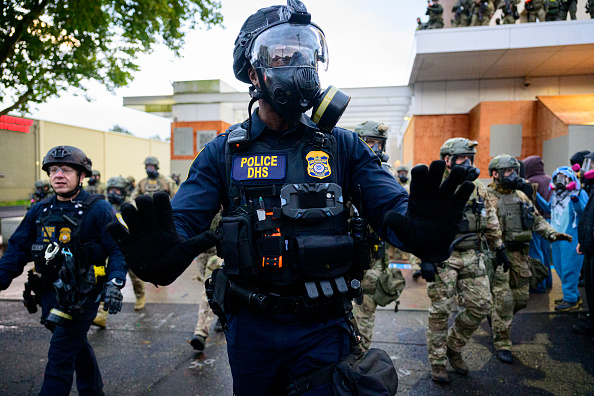
Shah Alam’s death isn’t just a statistic; it’s a heart-wrenching tale of neglect. Found lifeless after suffering from a perforated ulcer, triggered by the cruel realities of hypothermia and dehydration, he epitomizes the urgent need for change in how we treat immigrants and refugees in this country. Authorities didn’t just overlook him; they actively failed him. The Erie County Medical Examiner’s Office ruled his death a homicide, intensifying scrutiny over how officials handled his release and the circumstances surrounding his last moments. A man lost in the system, left without care, and ultimately without life.
His family is now left searching for answers in the wake of this tragedy. We can’t help but feel their pain; it’s a reminder of how easily our own families can be caught in a web of bureaucratic indifference. Shah Alam’s story is not just a singular tragedy; it’s a reflection of a broader narrative where the lives of marginalized individuals are often rendered invisible, their struggles overlooked. How can we stand idly by when individuals like Shah Alam fall through the cracks, forgotten by the very systems that are supposed to protect them?
The systemic issues that led to Shah Alam’s death raise pressing questions about accountability and humanity. This is not simply about one man but a collective failure that reflects deeper societal issues. We must call on our leaders to ensure that such negligence is never repeated, that every life — regardless of immigration status or ability — is treated with the dignity and respect it deserves. Our community has the power to demand change, to hold authorities accountable, and to ensure that no one else is left in the cold.
As we reflect on Shah Alam’s story, let’s remember that his life mattered, that he was more than a statistic. We owe it to him and to ourselves to fight against the injustices woven into the fabric of this system. It’s time for all of us to wake up and demand that our voices be heard, not just for the Shah Alams of the world but for every soul at risk of being forgotten.
About The Author