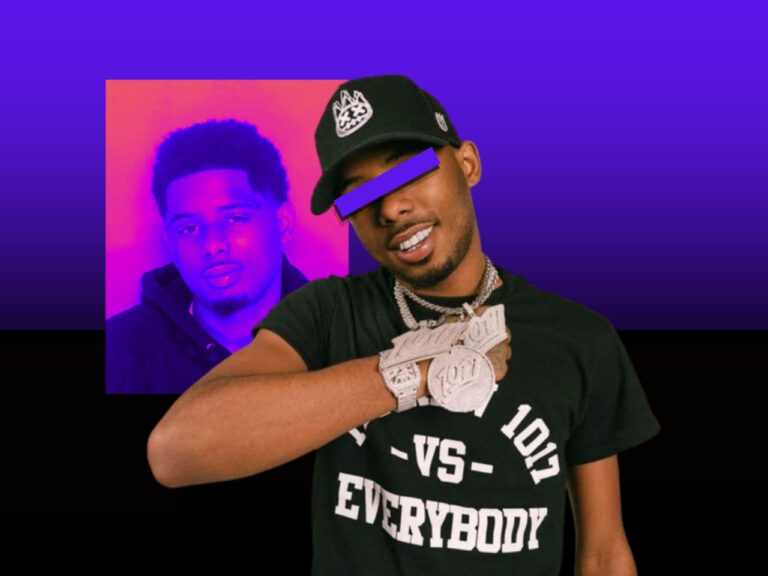
When it comes to the intersection of hip-hop and the law, the stories are often as complex as the beats we vibe to, and Pooh Shiesty’s recent legal troubles are no exception. The young rapper, who burst onto the scene with raw talent and an authentic narrative, has found himself in a tough spot that feels all too familiar for many artists: a battle against the system that often misunderstands and misrepresents our culture. Recently, his attorney made a bold statement claiming that Shiesty was simply printing lyrics—not a contract—when authorities seized documents during a raid. This is more than just a defense; it’s a call to recognize the nuances of artistic expression in a world eager to demonize those who don’t fit neatly within societal expectations.
Pooh Shiesty, known for his gritty storytelling and magnetic flow, has been a voice for a generation grappling with its own realities. The streets, the struggles, and the triumphs are intricately woven into his music. So when his legal team insists that the documents in question are mere lyrics, it’s a significant moment not just for Shiesty, but for the culture at large. It raises an important question about how we perceive the art form. Are the lines between art and life being blurred, or are they deliberately misinterpreted to serve a narrative that paints artists as criminals rather than poets of their environment? This situation echoes the experiences of countless Black artists who have faced similar scrutiny, whether it be in courtrooms or boardrooms.
In the world of hip-hop, every word carries weight, and context matters. Lyrics are often reflections of lived experiences, a way to process trauma, celebrate victories, or comment on the plight of the community. Pooh Shiesty’s defense hinges on this principle, underscoring the importance of understanding the context and intent behind the words. The accusation of printing a contract instead of lyrics may sound absurd to some, but for many, it’s a stark reminder of how the law can wield its power over Black artists in ways that are often unjust and disproportionate.
As the case unfolds, we’re reminded that hip-hop is not just a genre; it’s a movement. It’s a revolution in the form of bars and beats, one that continuously challenges the status quo. Every time a rapper finds themselves in a legal battle, it’s not just their freedom at stake; it’s a reflection of the larger societal issues we face. Pooh Shiesty’s situation is a microcosm of the struggles many artists endure, and it’s crucial for us to rally behind him, calling for a deeper understanding of his work and the environment that shaped it.
In a culture that often seeks to marginalize Black voices, Pooh Shiesty’s story is a reminder of the power of words and the often-overlooked artistry of hip-hop. As fans, we must advocate for our artists, understanding that their stories are ours as well. Let’s keep the conversation going and ensure that we protect the integrity of our art and the voices behind it. The world may not always appreciate the message, but we owe it to ourselves to defend the medium that articulates our truths.
About The Author