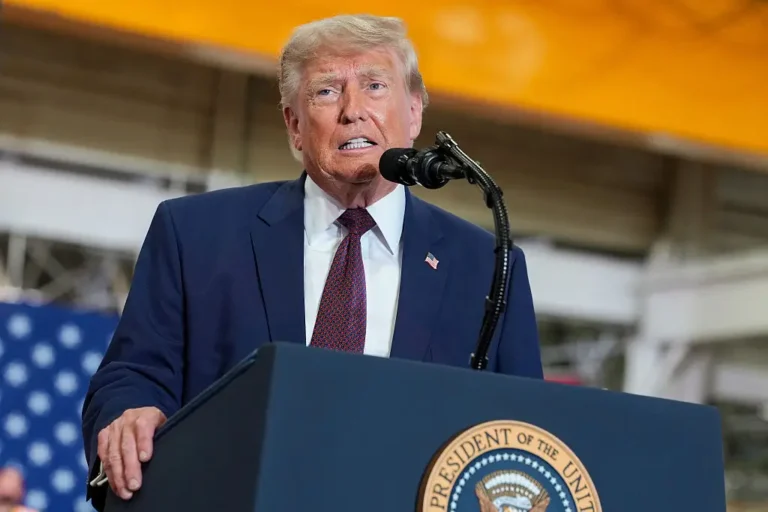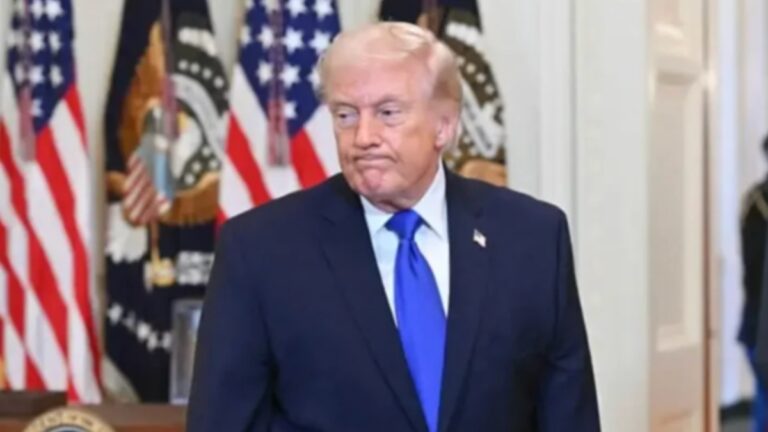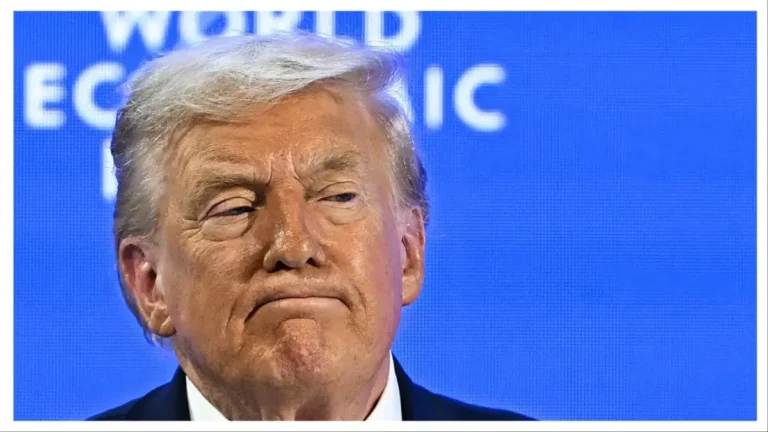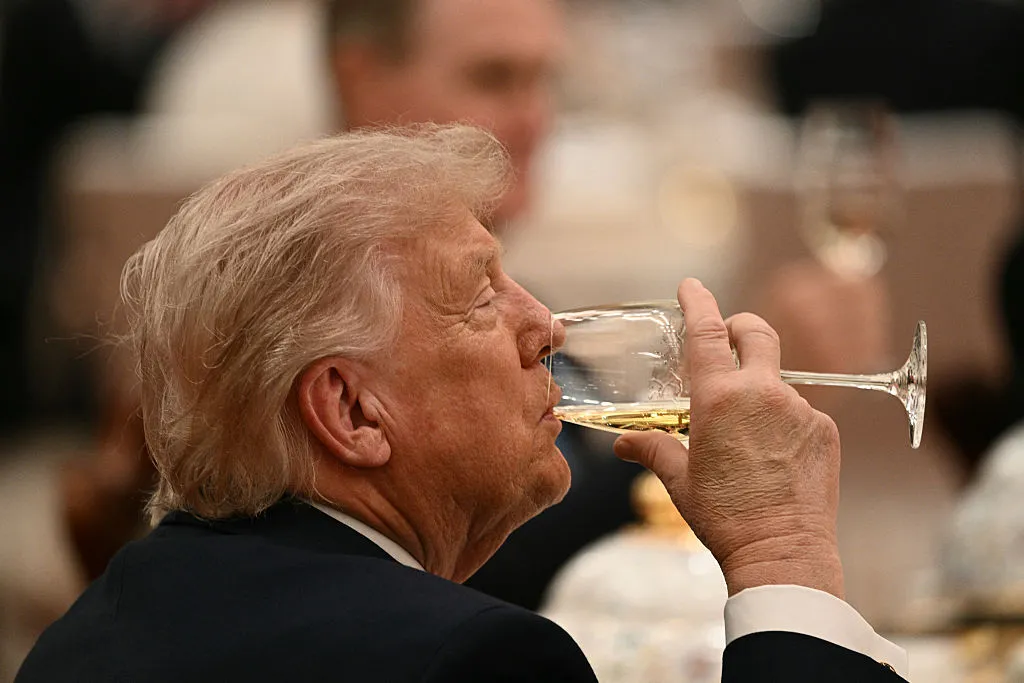
In a recent international appearance, President Donald Trump aimed to project an image of strength and diplomacy amidst a tense geopolitical climate. However, the focus quickly shifted from his message to the peculiarities of his surroundings, particularly his chair. Social media users began scrutinizing the differences between Trump’s chair and those of other dignitaries, leading to rampant speculation about his weight and the optics of power dynamics at play.
As the cameras flashed and the world watched, Trump’s attempt to assert dominance became overshadowed by this seemingly innocuous detail. The imagery of power was intended to reinforce his role on the global stage, yet the internet couldn’t help but hone in on the implications of such a chair—a symbol of comfort or insecurity? Many took to the web to share their theories, with some asserting that the unique design of the chair was a stark reminder of Trump’s physical presence, and perhaps a calculated choice to mask it.
This moment is a reflection of our times where every detail is dissected, often leading to wild theories that can overshadow serious political conversations. The fervor surrounding this chair incident highlights how the lines between politics and spectacle have blurred, with social media becoming a powerful tool for public interpretation.
Unfortunately for Trump, what should have been a moment of authoritative presence turned into fodder for memes and commentary that might ultimately detract from the diplomatic efforts he sought to portray. As viewers zoomed in on the discrepancies, they revealed something deeper about perception and reality, forcing us to question what true power looks like in the modern age. In a world that demands authenticity, perhaps all the elaborate staging in the world won’t mask the truth that some narratives are just too big to sit comfortably upon a throne—or a chair.
From The Source
About The Author