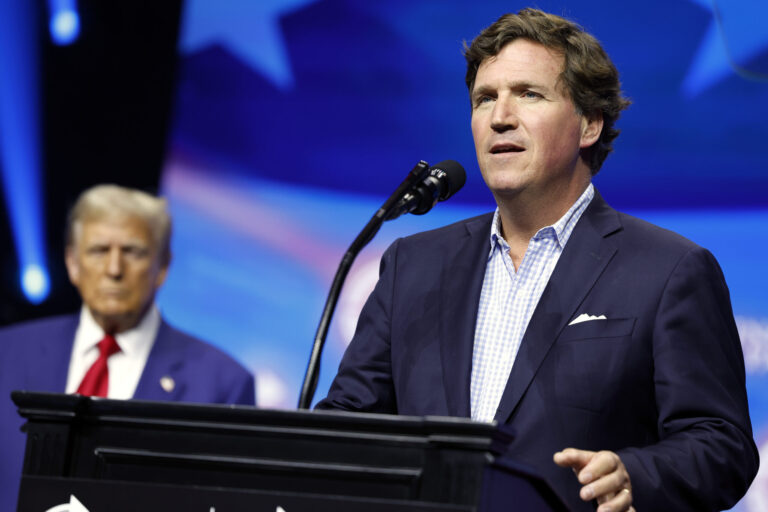
In a startling admission that has sent ripples through the political landscape, Tucker Carlson recently confessed to having serious regrets about his unwavering support for former President Donald Trump. For years, Carlson was one of Trump’s most vocal defenders, amplifying the rhetoric that resonated with a base all too happy to overlook the chaos and divisiveness of the administration. Now, as he reflects on his time in the spotlight, one has to wonder: what does this say about the price of allegiance to a brand rather than principles?
Regrets like Carlson’s often come when the damage has been done. His commentary and show became a platform for conspiracy theories and divisive narratives that not only polarized the nation but also emboldened those who thrived in the darkness of misinformation. In the Black community, the consequences of such rhetoric have been painfully clear. From the impact on our social fabric to the normalization of racist tropes, the fallout from a media landscape that celebrates division is frighteningly real. So when Carlson comes forward with a mea culpa, we can’t help but raise an eyebrow. Is it genuine remorse, or simply a desperate attempt at salvaging a career that has begun to crumble?
This admission also prompts reflection on the broader implications of media influence in the age of misinformation. Carlson’s brand of commentary has long capitalized on racial tensions and social fragmentation, and now, his hesitance feels more like a self-serving acknowledgment than a true understanding of the damage inflicted. The pain and struggle of Black people are not mere talking points to be revisited when it’s convenient or when the spotlight dims. We’ve been here before, witnessing public figures wringing their hands in regret after years of perpetuating narratives that harm our community.
In a media landscape where we’ve seen voices of dissent and advocacy rise in response to systemic injustices, it’s essential for us to hold individuals like Carlson accountable. Regret without action is empty, and a simple apology doesn’t erase the damage done. True accountability would mean using that platform to amplify the voices that have been marginalized, to engage in honest conversations about race and equity, and to dismantle the harmful narratives that have historically oppressed our communities.
As we move forward, let’s keep the pressure on. We need to ensure that these moments of supposed reflection don’t become just another opportunity for those in power to evade responsibility. The real work lies in addressing the wounds they have inflicted and striving for a media environment that uplifts rather than divides. In the end, it isn’t enough to say “I’m sorry.” We need action that reflects an understanding of the impact of their words, not just the desire for redemption.
About The Author