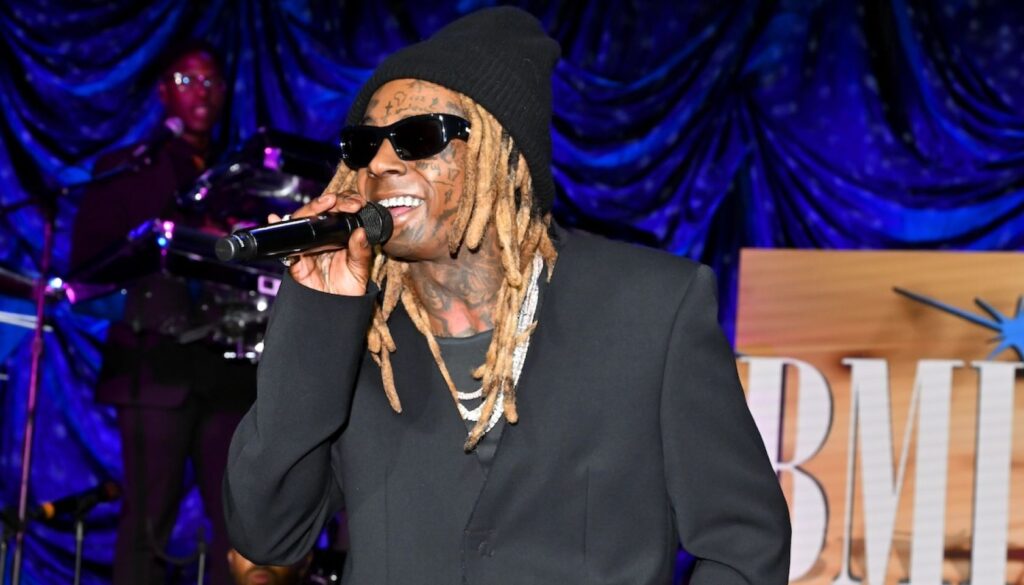
As the dust settles on another electrifying weekend of Coachella performances, Lil Wayne has taken to social media to express his discontent over being left out of major music events. While other icons reclaim their stages, Wayne echoes a sentiment many fans feel: it’s “humbling” to be overlooked at such significant gatherings like the Grammys and Coachella. His candid remarks have ignited a mixed bag of reactions, with some supporters rallying behind him, while others label his complaints as ‘whiny.’
In a music landscape where nostalgia reigns supreme, Wayne’s absence has been particularly palpable. Fans remember his iconic impact — the witty lyrics, the captivating flow, and that undeniable charisma. Artists like Kendrick Lamar and Frank Ocean have graced Coachella stages, leading some to wonder if Weezy’s contributions to Hip Hop have become overshadowed in recent years. His frustration stems from a genuine desire to reclaim his spot among the greats, asserting that he still has much to offer in a genre that seems to constantly churn out new talents.
Wayne’s cries for recognition reflect a broader issue within the music industry, particularly for artists who have broken barriers but may not receive the same acknowledgment as their younger counterparts. While many see his tweets as a cry for attention, others understand the heartbreak of feeling uninvited to the party when you’ve been one of the stars that helped create the scene. It’s a complex conversation about legacy, respect, and the relentless march of time in an industry that often values the next big thing over the legends who paved the way.
As Coachella continues to electrify music lovers around the globe, the question remains: is there still room for Lil Wayne at the top? With his outspokenness, he challenges not only the event organizers but the industry at large to remember the giants who have shaped Hip Hop’s landscape. Whether it’s a lesson in humility or a gentle reminder of his significance, one thing is clear — Lil Wayne’s voice is still a crucial part of the cultural conversation, whether he’s on stage or not.
About The Author