In a time when the airwaves seem dominated by superficial beats and feel-good anthems, it’s impossible not to notice the absence of the raw, unapologetic protest music that defined previous generations. Where are the NWAs of today? In an era marked by political divisiveness and social unrest, we should be hearing powerful voices rising up against injustice, yet the echo of dissent seems muted. Hip hop has always been a space for the marginalized to express their struggles, but today, it feels like that spirit has been lost amidst a sea of commercialized sound.
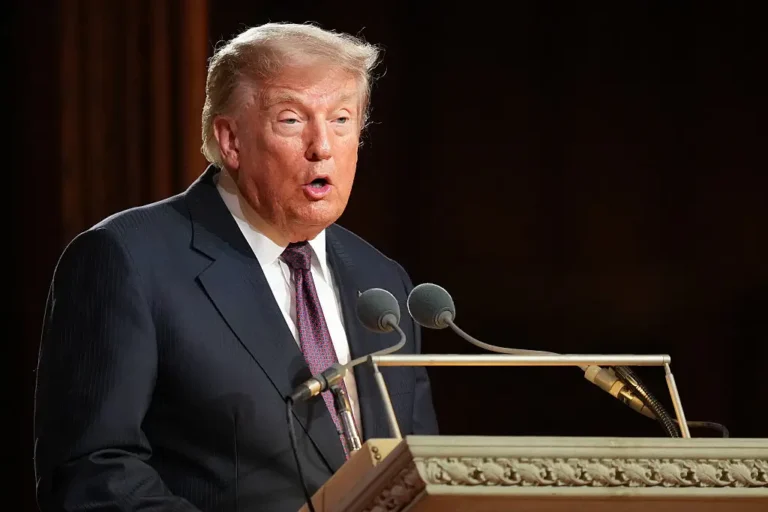
The socio-political landscape under leaders like Trump has created a breeding ground for lyrical fury and defiance, but instead of harnessing that energy, many artists opt for catchy hooks and party vibes. We need artists who dare to confront the uncomfortable truths of our society, who are willing to turn their platforms into megaphones for change. The essence of hip hop is rooted in storytelling, in the fight against oppression, and in the call for radical transformation. It’s time for artists to reclaim that narrative and use their voices to ignite real conversations.
Let’s not forget that music has always been a catalyst for change. From Public Enemy to Kendrick Lamar, the power of protest music lies in its ability to inspire action and give voice to the voiceless. We need the next generation of artists to step up and fill this void, to draw from the well of history and speak truth to power. In a world where silence can seem complicit, we can’t afford to let the sound of rebellion fade away. The call for profound change is loud and clear, and it’s high time we heard it in the beats and rhymes that once defined a movement.
So, where are the NWAs? They are waiting for someone to take up the mantle, to channel the anger and frustration into art that not only entertains but also challenges, educates, and inspires. The community is hungry for voices that will not just sing about the good life but will rap about the struggle, the fight for justice, and the demand for a better tomorrow. The return of protest music isn’t just desired—it’s essential.
About The Author