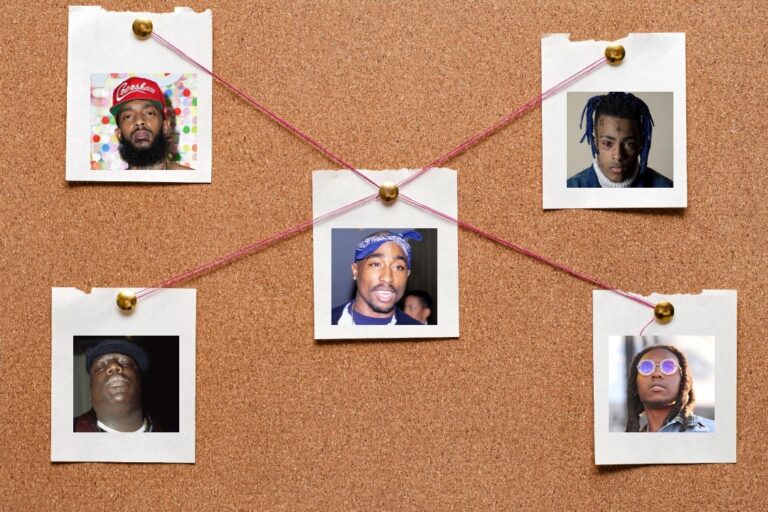
When Uncle Luke dropped the bombshell that he’s running for Congress, it opened floodgates in the hip-hop community and beyond. Rappers, once confined to the booth, are stepping onto the political stage, and honestly, it’s about time. We’ve seen our favorite artists leverage their influence for social change, but now they’re taking it a step further by directly engaging in politics. This isn’t just a trend; it’s a movement that reflects our community’s evolving narrative in the face of ongoing social and political issues.
Think about it. Hip-hop has always been a platform for protest, a means of voicing the struggles and triumphs of our people. From N.W.A. calling out police brutality to Kendrick Lamar’s poignant explorations of systemic racism, rap has been a megaphone for our stories. So it makes sense that some of the voices we grew up with are now looking to reshape the political landscape. With issues like voter suppression, education reform, and criminal justice reform at the forefront, who better to advocate for our community than those who have lived it?
Rappers have the unique ability to connect with younger voters who often feel disillusioned by traditional politicians. When artists like Uncle Luke or Killer Mike step into the political arena, they bring authenticity and a relatable narrative that can energize our youth. It’s not just about winning seats; it’s about crafting policies that resonate with the struggles we face daily. They speak our language, and that connection can mobilize a generation that has often felt ignored by the establishment.
Moreover, as we witness the rise of social media, these artists have platforms that can reach millions in seconds. They have the power to galvanize communities around issues that matter, breaking down barriers that often keep us from engaging in the political process. Their candid conversations about race, inequality, and justice can inspire action and drive turnout in ways that traditional campaigns can’t.
As we stand at the crossroads of culture and politics, we must ask ourselves what this shift means for our future. Rappers entering the political arena signals a broader realization that our voices are powerful, and we can push for change from the inside out. As they put it in their verses, it’s time for us to put our money where our mouth is and ensure that our stories are not just heard but are acted upon. This isn’t just a moment; it’s a movement, and who knows? We may just be witnessing the dawn of a new era where hip-hop and politics collide in profound ways.
About The Author