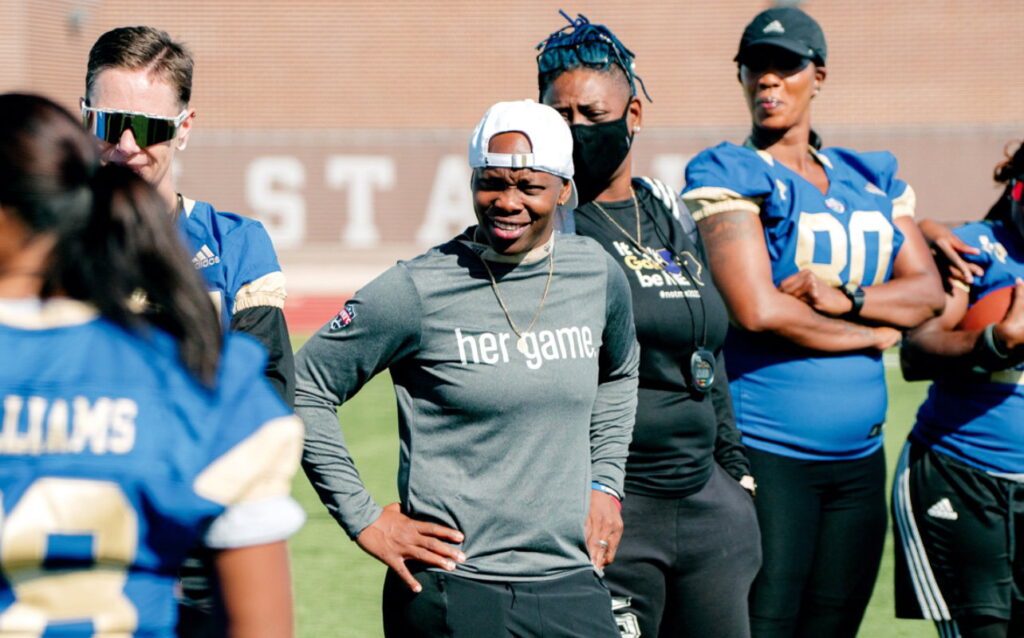
The landscape of sports is rapidly evolving, and one of the most exciting developments in recent years is the surge of women’s flag football. What was once seen as a male-centric arena is now being transformed, thanks in large part to the efforts of Historically Black Colleges and Universities (HBCUs). Not only are these institutions providing a platform for female athletes, but they are also fostering a culture that embraces and champions women’s participation in sports.
At HBCUs, the introduction of women’s flag football teams has not only created opportunities for young women to showcase their athletic talents but has also ignited a passion for the sport among athletes and fans alike. These schools are breaking barriers and redefining norms, proving that passion for the game knows no gender. With the establishment of leagues and organizational support, women’s flag football is becoming a recognized sport on campuses, allowing these athletes to thrive in an environment that encourages teamwork and competition.
Moreover, the growing visibility of women’s flag football has the potential to inspire a new generation of female athletes. Young girls see their peers playing the game at HBCUs, which helps to dismantle the stereotype that football is solely a male sport. This shift is essential, as it promotes inclusivity and challenges societal norms, encouraging girls to pursue their dreams, whether on the field or beyond. The HBCUs leading this charge are not just cultivating athletes; they are cultivating leaders and empowering women to take their rightful place in sports history.
As flag football continues to gain traction, it parallels the rising interest in the sport at a national level. The Women’s National Football Conference (WNFC) has been pivotal in promoting women’s flag football, and HBCUs are perfectly positioned to align with these larger movements. By creating opportunities through scholarships, competitive play, and community support, these institutions are not only contributing to the sports landscape but also enriching the cultural fabric of their communities.
As we witness the growth of women’s flag football, it’s clear that HBCUs are not just participants in this evolution; they are at the forefront of this transformative movement. The momentum is undeniable, and with the unwavering support of these institutions, the future of women’s flag football looks bright, paving the way for new possibilities in the world of sports.
About The Author