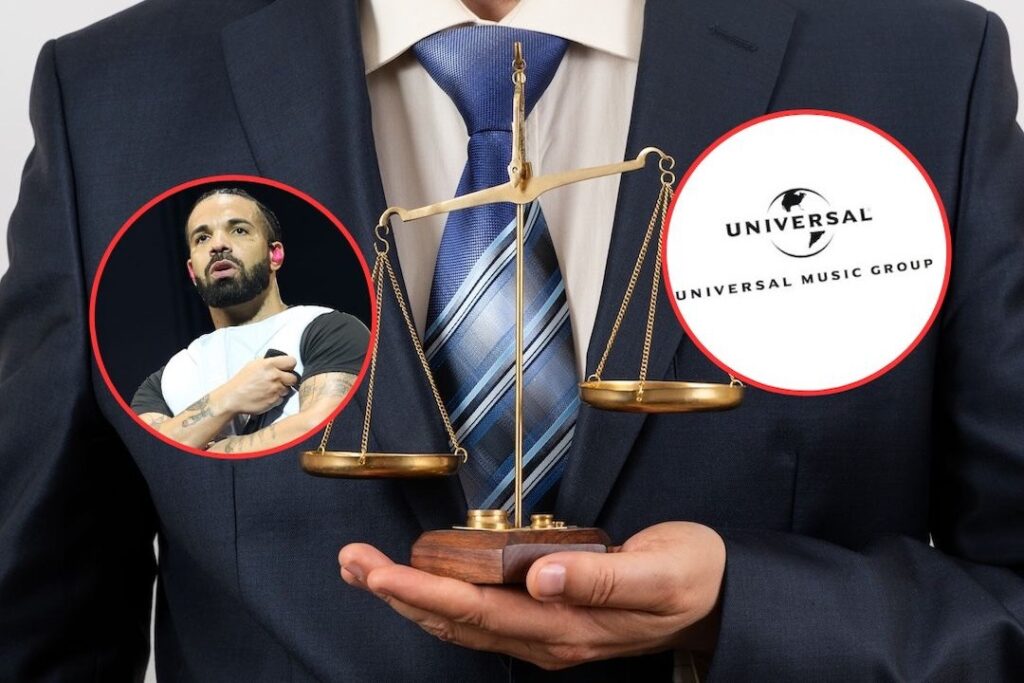
When it comes to the intersection of hip hop and the law, things can get real messy, real quick. Recently, the legal scholars at Yale have thrown their weight behind Universal Music Group in a controversy surrounding Drake’s track “Not Like Us.” You might be wondering what’s at stake here, and how it connects to our broader cultural narrative. Well, grab your tea because this conversation is about more than just a legal dispute; it’s about ownership and the power dynamics that persist in the music industry.
Drake, who has continuously redefined the landscape of hip hop, stands accused of straying too far into the territory of originality with this recent release. Critics argue that he has borrowed too heavily from a particular sound or style, igniting a fierce debate about what constitutes creative expression versus outright theft. Yale’s scholars, armed with legal acumen, are stepping in to support UMG, arguing that the line between inspiration and infringement can be blurry. This is a debate that transcends music; it taps into the ongoing issue of how Black artists navigate a system that often seeks to exploit their creativity while denying them full ownership of their artistic identity.
As we look closer at this case, it becomes glaringly clear that it’s not just about Drake or UMG. This battle speaks to a larger conversation about intellectual property in hip hop, a genre born out of cultural expression that has been repeatedly commodified. The very essence of hip hop is built on sampling, remixing, and borrowing from the sounds and experiences of those who came before us. Yet, mainstream entities often twist these creative foundations into legal constraints, threatening to stifle the very essence of the art form. In supporting UMG, Yale’s scholars are positioning themselves as defenders of a business model that could choke off artistic innovation.
But let’s not kid ourselves; this isn’t just a legal debate in a vacuum. It’s a reminder that our voices matter—and that we need to keep pushing back against a system that often feels rigged against us. The stakes are high, especially in a world where Black artistry is frequently appropriated without just compensation. Scholars and artists alike must unite to challenge these institutional norms that prioritize profit over creativity.
Moreover, we should be asking ourselves who really benefits from these legal disputes. Is it the artists who pour their souls into their music or the corporations that seek to monetize every beat and lyric? Drake has amassed a staggering amount of success, but that doesn’t exempt him from scrutiny. As we navigate this complex landscape, it’s crucial that we remain vigilant, advocating for the rights of all artists while fostering spaces where creativity can thrive unimpeded by legal red tape.
In the end, this battle isn’t just about who gets to claim ownership over a sound or style; it’s about the future of hip hop itself. As we rally behind our favorite artists, let’s remember that our fight for equity and recognition in this industry is far from over. The music belongs to us, and it’s time we reclaim the narrative.
About The Author