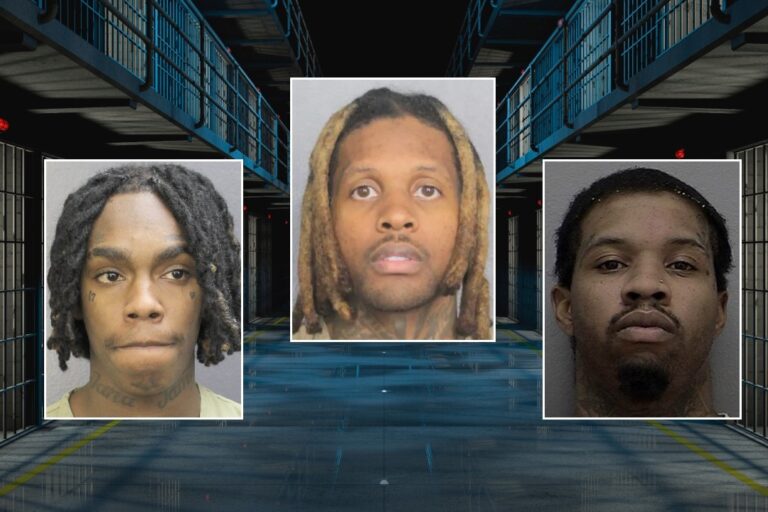
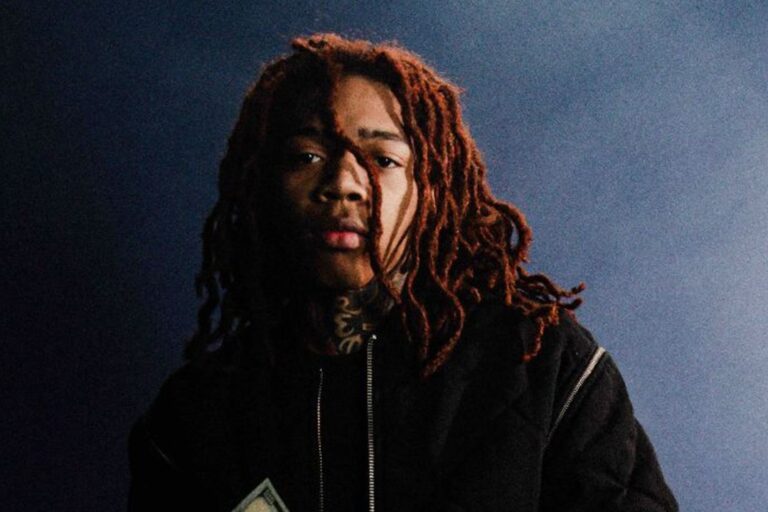
When we think about the hottest names in hip-hop today, it’s hard to ignore the harsh reality that a significant number are behind bars. It’s a sobering reminder of the system’s relentless grip on our artists, many of whom have fought their way up from nothing, only to find themselves facing the very struggles they rapped about. From Broward County to California, the stories of these 25 rappers echo through our communities, forcing us to confront why so many of our stars are living out their verses in prison cells instead of on stages.
The music industry often romanticizes the hustle, the grind, and the pain, but the truth is, the streets can swallow you whole. Each artist represents not just their own story but also the systemic issues that plague our neighborhoods—poverty, violence, and a legal system that often works against us. The charges vary, from gun possession to more serious offenses that catch media attention, but the underlying narratives share a common thread: the fight for respect and survival in environments that offer few opportunities. It’s heartbreaking, really, to see talent that could uplift our culture instead reduced to statistics in a broken system.
We can’t overlook how the culture itself contributes to this cycle. There’s a thin line between authenticity and the glorification of a lifestyle that can lead to incarceration. While many artists aim to tell their truth, the temptation to live out that truth can lead to choices that land them behind bars. It’s a double-edged sword—our culture celebrates the realness, but when that realness leads to jail time, we’re left grappling with a sense of loss. We have to ask ourselves how we can protect our artists while also holding them accountable for their actions.
The impact on our community is profound. Each arrest reverberates through the lives of fans and families, reinforcing the stereotype that Black men, in particular, are destined for demise or imprisonment. This not only affects the artists but also the younger generation looking up to them. They need role models who can showcase the positive possibilities that lie beyond the streets, illustrating that success doesn’t have to come with a prison sentence attached.
Ultimately, we should be supporting these artists even when they stumble. Their experiences—good or bad—are part of the narratives we need to uplift. Instead of turning our backs, let’s engage more deeply with the issues at hand, pushing for change in the system that repeatedly fails our people. The next time you hear about a rapper facing jail time, remember their story, our story, and the collective fight for justice and dignity in a world that seems to want to strip us of both.
About The Author