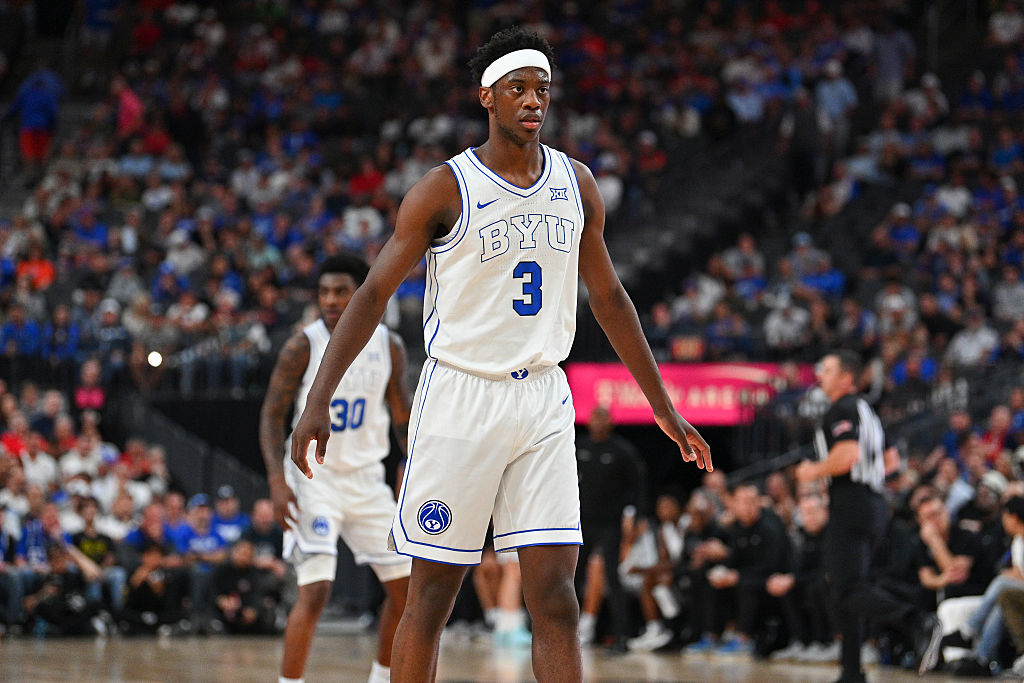
The landscape of college sports has dramatically shifted with the advent of Name, Image, and Likeness (NIL) rights, allowing athletes to finally monetize their talents. For many parents of young athletes, this new reality raises countless questions about how NIL deals work, what’s permissible, and how these changes will affect their child’s future. As college sports evolve, it’s essential for families to understand these nuances to make informed decisions that can impact their athlete’s career trajectory.
One of the most frequently asked questions revolves around the types of deals that athletes can enter into. Unlike traditional sponsorships where universities had control, NIL opens the gate to a plethora of opportunities ranging from social media endorsements to merchandise sales. However, there are still parameters that need to be understood. For instance, athletes can’t enter into contracts that conflict with their university’s sponsorship agreements nor can they receive pay-for-play arrangements, keeping the spirit of amateurism, at least in theory, intact.
Parents are also concerned about tax implications and how earnings may affect their child’s eligibility. It’s crucial for families to consult with financial advisors who can navigate these waters, ensuring that their athlete is compliant with NCAA rules while also maximizing their earning potential. Additionally, understanding the trajectory of NIL deals can help young athletes cultivate their personal brand early on, without overstepping boundaries that could jeopardize their collegiate career.
As the NIL era continues to unfold, the importance of education, transparency, and compliance cannot be overstated. Keeping an open line of communication with coaches and athletic departments will prove invaluable as families navigate this new terrain. The world of college sports is no longer just about the game; it’s about building a future based on skill, talent, and now, the ability to showcase and profit from one’s unique brand. The journey is only beginning, and with the right guidance, young athletes and their families can turn these opportunities into long-term success.
About The Author