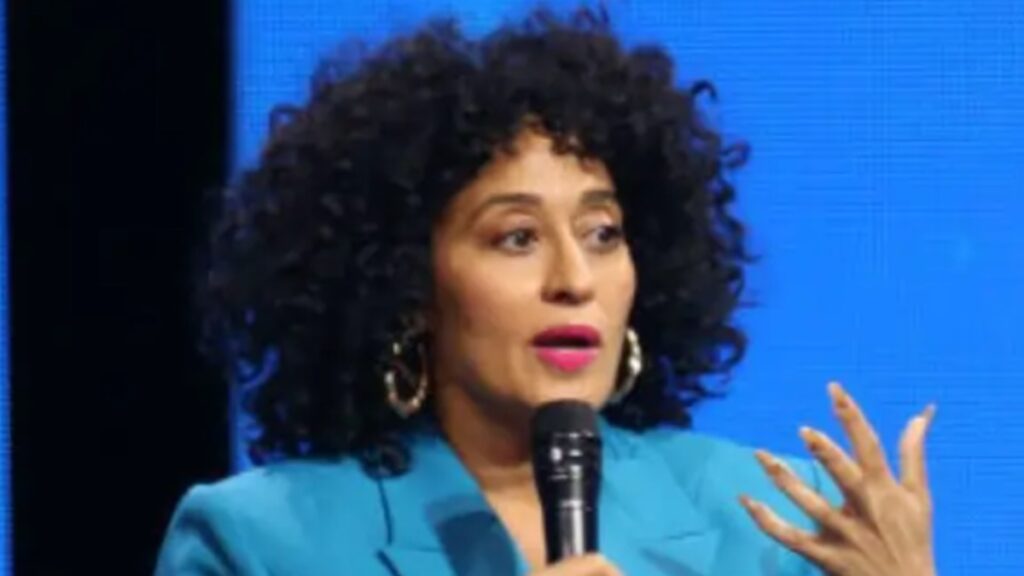
In the world of entertainment, few names resonate quite like Tracee Ellis Ross. Known for her radiant talent and confidence, the former star of “Black-ish” is revered not only for her acting chops but also for her unapologetic embrace of natural beauty, particularly her stunning afro. Recently, however, Ross found herself at the center of a heated debate after a magazine described her iconic hairstyle in a manner that many fans deemed disrespectful and reductive. The backlash was swift, igniting conversations about representation and the nuances of how Black hair is portrayed in media.
Social media exploded with both support for Ross and indignation towards the magazine’s phrasing. Fans rallied, sharing their own experiences with the stigmatization of natural hair, and calling for greater respect and understanding of its cultural significance. For many, Ross’s afro serves as a powerful symbol of Black identity and pride, a crown that deserves reverence rather than casual commentary. Some even took to the comment sections to remind the publication that hair is not just hair; it’s a narrative steeped in history, personal stories, and resilience.
This incident is not merely about Ross; it reflects a broader dialogue in the Black community surrounding the representation of natural hair. With countless Black women expressing their frustrations about being pigeonholed or having their beauty mischaracterized, it’s clear that this issue runs deeper than one magazine’s oversight. It’s a reminder of the responsibility that comes with language, especially when discussing something as personal as one’s appearance.
The fierce protection of Ross by her fans underscores a collective refusal to tolerate disrespect. In a culture that often tries to define Black beauty through a narrow lens, Ross stands resilient, embodying the spirit of a movement that insists on authenticity and self-love. As the discussion continues, it’s vital to listen and learn—because at the intersection of hair, culture, and pride, there’s so much more to unravel than meets the eye.
About The Author