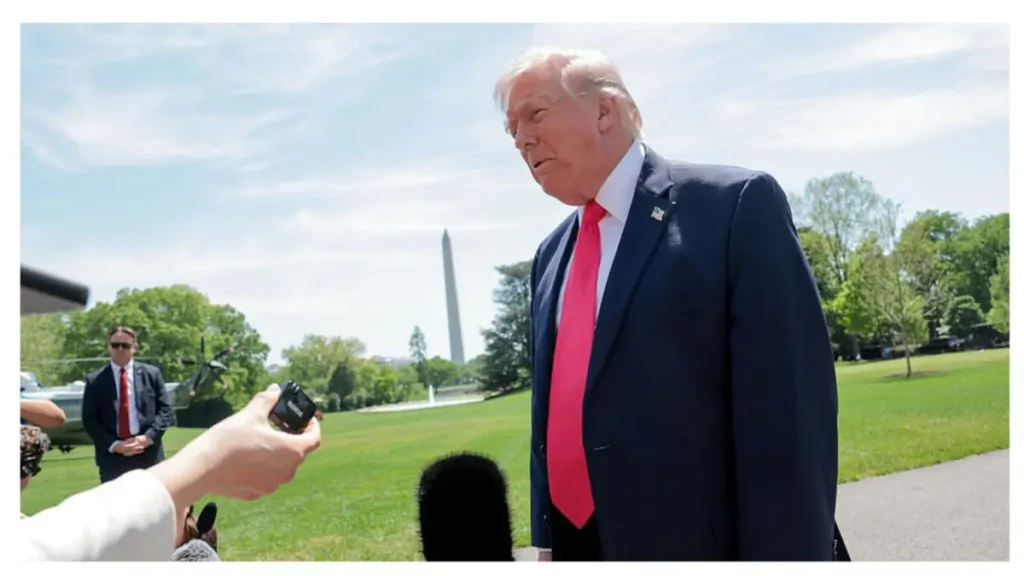
In a recent press conference, President Donald Trump faced scrutiny about skyrocketing gas prices. It was a tense exchange, as he waved off reporters’ concerns, insisting that the economy was thriving despite mounting evidence to the contrary. He attempted to paint a rosy picture, pushing a narrative of success that felt increasingly detached from the realities faced by everyday Americans. With more people feeling the pinch at the pump, the disconnect was glaring.
Then, in a moment that sent shockwaves through the room, a Democratic representative pulled out a photo that starkly contrasted Trump’s claims. It wasn’t just a casual jab; it was a raw reminder of the struggles families are experiencing. The image captured a gas station sign displaying prices that were hard to ignore. As the picture flashed on the screen, the atmosphere shifted. The message was clear: people are hurting, and dismissing their pain is not an option.
This confrontation exemplifies the growing frustration many Americans feel. It’s one thing for politicians to play politics, but when they disregard the lived experiences of those they represent, they risk losing credibility. The representative’s bold move highlighted an essential truth: it’s easier to sell a story when the narrative aligns with reality. In Trump’s case, the gap between his portrayal and the truth became painfully apparent, and the public isn’t buying what he’s selling.
For many, the gas prices are not just numbers; they are a reflection of broader economic disparities felt disproportionately in marginalized communities. As Trump continues to push a narrative of triumph, the impact of his policies is being felt more acutely by those who have already been struggling. As the political landscape heats up, the question becomes not just about who can spin the best story but who can genuinely address the concerns of the people. In a world where the visuals matter, that photo served as a stark reminder: facts remain undefeated in the face of false narratives.
About The Author