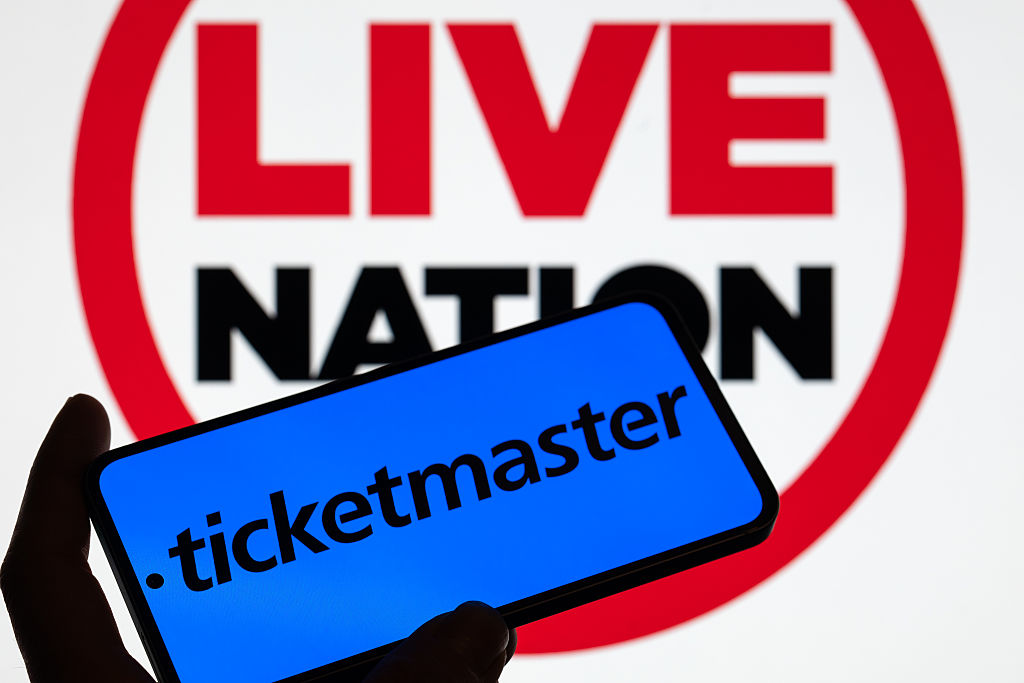
The Ticketmaster logo is displayed on a mobile phone with the Live Nation logo seen in the background in this photo illustration in Brussels, Belgium, on October 25, 2025. (Photo by Jonathan Raa/NurPhoto via Getty Images)
In a landmark ruling that has sent shockwaves through the entertainment industry, Live Nation, the parent company of Ticketmaster, has been deemed a monopoly in a major anti-trust case. This comes after allegations surfaced that the concert promotion behemoth has been engaging in exploitative practices, overcharging fans for ticket prices that have skyrocketed in recent years. Concert-goers have long voiced their frustrations, feeling as though their wallets have been drained in the name of entertainment, and now, the court has validated those concerns.
The ruling highlights a growing sentiment among the public that the dominance of a few key players in the ticketing industry stifles competition and leads to unfair pricing practices. With Live Nation’s firm grip on major venues and events, fans often find themselves with little choice but to pay inflated prices for the chance to see their favorite artists live. The proceedings unveiled evidence that the company not only charged exorbitant fees but also employed tactics to discourage competitors from entering the market, effectively creating a monopoly that left consumers with less access to reasonably priced tickets.
Reactions are pouring in from across the music and entertainment landscape, with many artists and fans alike celebrating the decision as a pivotal moment for fairness in ticket pricing. Prominent figures in the industry have spoken out, emphasizing that accessibility should be a priority, especially as live events continue to serve as a vital source of income for both creators and the economy at large. This ruling could pave the way for legislative changes that enforce stricter regulations on ticket sales and promote a fairer marketplace.
As we look to the future, this case serves as a reminder of the power dynamics at play in the entertainment sector, especially for Black artists and communities who have historically faced barriers to equitable access. The hope is that this decision will inspire change not only in ticket pricing but also in how artists are compensated and how fans are treated as valued customers, rather than just dollar signs. The outcome of this case underscores the importance of consumer advocacy and the necessity for a more transparent and fair landscape in live entertainment, ensuring that everyone can enjoy the magic of live music without breaking the bank.
About The Author