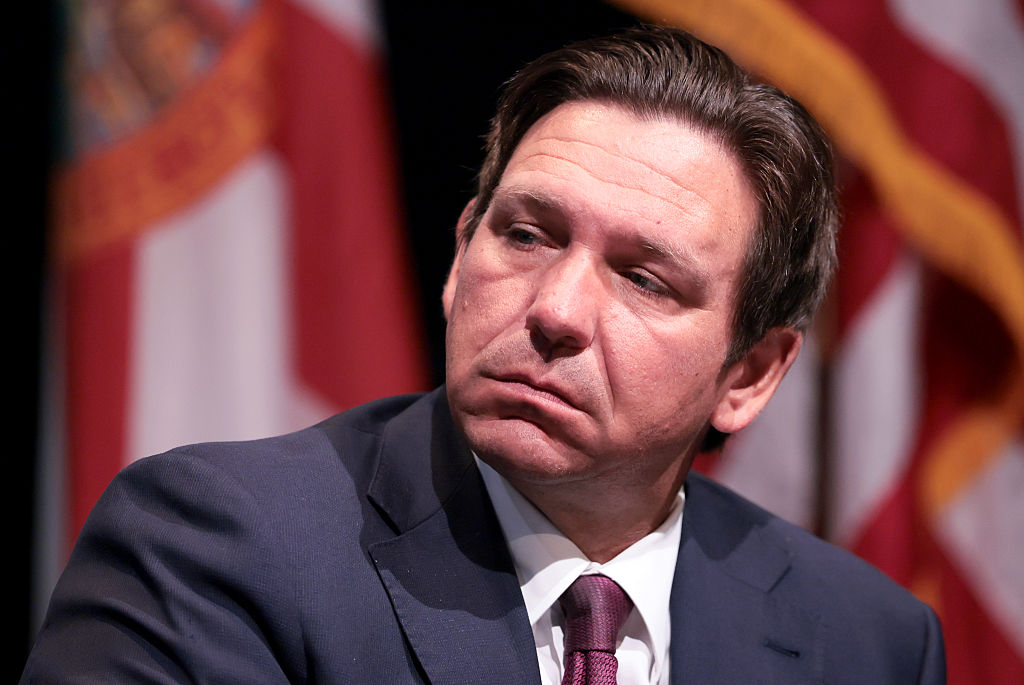
As the political landscape continues to shift, Florida Governor Ron DeSantis has announced a special session to address the pressing issue of redistricting. This move is fueled by increasing pressure from Republican leaders eager to redraw congressional maps ahead of upcoming elections. However, despite the urgency of the situation, details surrounding any new congressional map remain conspicuously absent.
The ramifications of redistricting extend far beyond mere boundaries on a map; they can shape the political future of communities and influence the representation of diverse populations. Given Florida’s significant role in national politics, especially as a swing state, the stakes are incredibly high. The Republican Party has long sought to solidify its hold on power in the Sunshine State, and redistricting is one of the most potent tools at its disposal.
Critics argue that the redistricting process can often be plagued by gerrymandering, where district lines are drawn to benefit one party over another, undermining the democratic process. With a diverse electorate that includes a vibrant mix of cultures, it is critical that any new maps accurately reflect Florida’s population. Many are watching closely to see if DeSantis will prioritize fairness and representation, or if political gain will take precedence.
As the special session unfolds, communities across Florida are left in suspense. Will their voices be heard in this redistricting effort? Or will the interests of powerful political figures overshadow the needs of the people? The answers could set the tone for not only the upcoming elections but for the fabric of Florida politics for years to come.
About The Author