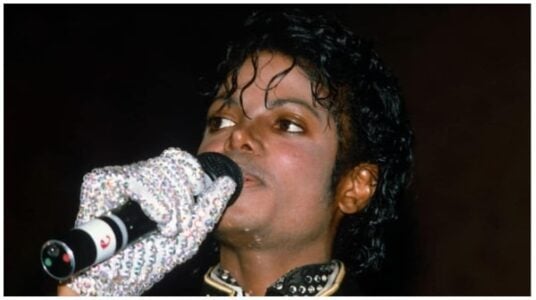
In a striking commentary on the enduring legacy of Michael Jackson, Dan Reed, the director of the controversial documentary “Leaving Neverland,” asserts that the King of Pop’s posthumous cultural standing has paradoxically strengthened in the years since its release. Reed’s film, which unearthed harrowing accounts of childhood sexual abuse at the hands of Jackson, ignited a firestorm of debate surrounding the icon’s legacy. However, despite the depth and severity of the allegations presented in the four-hour HBO feature, Reed argues that Jackson’s status has endured, if not thrived, in the public consciousness, revealing a disconcerting reality about fame, adoration, and accountability. He provocatively compares Jackson’s impact on his victims to that of Jeffrey Epstein, suggesting that the public’s initial outrage has faded into an unsettling acceptance, allowing Jackson’s music and image to remain largely untouched.
As Reed navigates the fallout from his documentary, he reflects on a cultural phenomenon where celebrity can eclipse the truth. This dynamic raises troubling questions about how we reconcile our reverence for art with the moral transgressions of its creators. The filmmaker’s comments resonate deeply in a society that often grapples with the consequences of idolization versus accountability. It’s a sobering reminder that, in the case of Jackson, the lines between fame, influence, and justice remain blurred, prompting fans and critics alike to reconsider their relationship with both the artist and the art.
Ultimately, Reed’s stark assessment serves as a call to action for a deeper discussion about the responsibilities of fandom and the narratives we promote. Are we, as a culture, willing to confront the uncomfortable truths that lie beneath the surface? Or will we continue to allow nostalgia and talent to overshadow the voices of those who have suffered? As the conversation around Michael Jackson continues to evolve, it prompts an essential reflection: the price we pay for our heroes and the stories we choose to believe. In an era where the echoes of past wrongs resonate louder than ever, the legacy of Michael Jackson remains a contentious and painful topic, challenging us to look beyond the music and into the heart of its maker.
About The Author