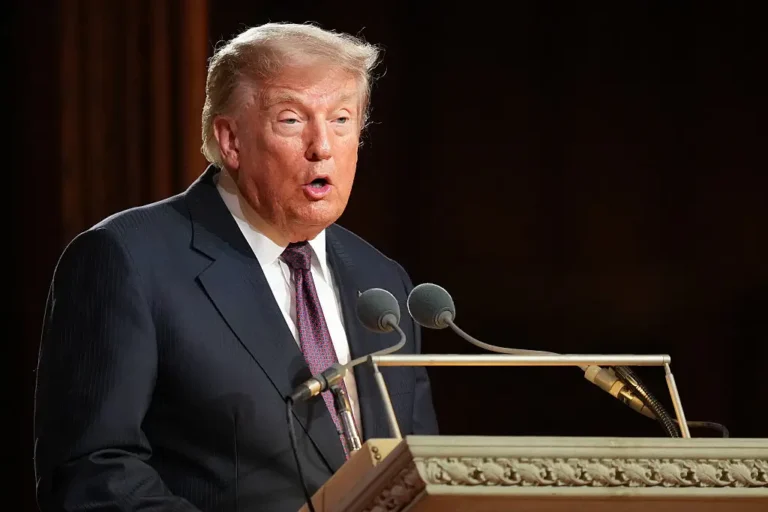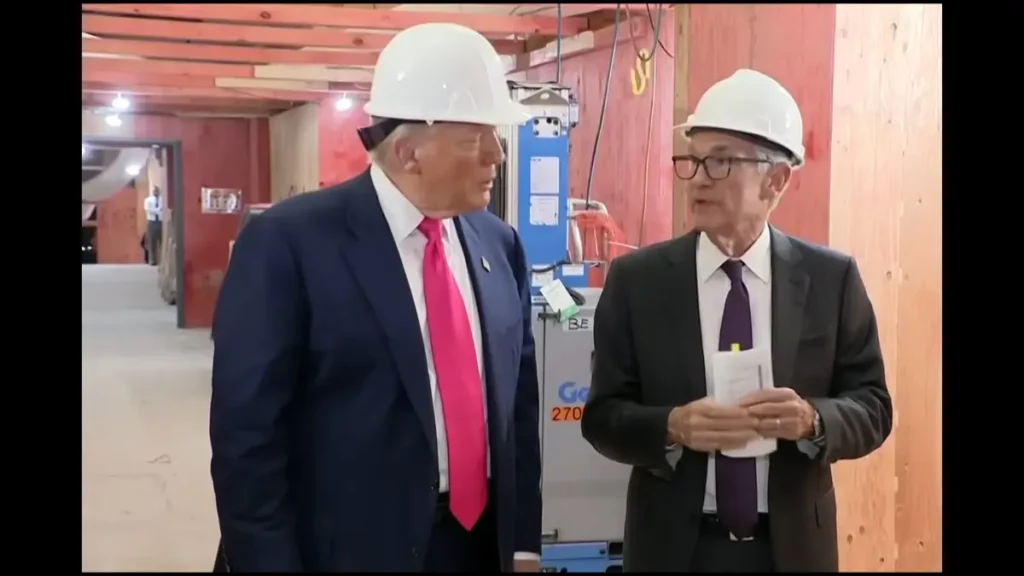
In a surprising turn of events that speaks volumes about the complex chess game of American politics, the Justice Department has officially dropped its criminal investigation into Federal Reserve Chair Jerome Powell. This development coincides with the ongoing tumult surrounding former President Donald Trump, highlighting the intricate dynamics that play out in the corridors of power. While many have viewed Trump’s recent calls for accountability as a power play, the decision to abandon the investigation raises questions about who truly controls the narrative and who may be pulling the strings behind the scenes.
Powell, who has been a focal point for criticism from various quarters, particularly for his monetary policy decisions, has often found himself at odds with Trump, especially when the former president felt the Fed’s moves could jeopardize his administration’s economic agenda. The dropping of this investigation signals a significant shift; many see the Justice Department’s action as a clear sign of alignment with Powell, suggesting that Trump’s influence may be waning. The intricacies of political alliances and enmities are laid bare, as the federal government navigates the delicate balance of maintaining an independent monetary policy while placating a powerful political figure.
This episode underscores the often murky intersection of politics and finance, particularly regarding the Federal Reserve, which wields immense power in shaping economic outcomes. As a public official who stands firm against political coercion, Powell represents a rare breed in today’s political arena, where loyalty often seems to overshadow integrity. With the DOJ now stepping away from pursuing what many have deemed a politicized investigation, it poses a vital question: how far is Trump willing to go to regain control and assert his narrative against those who refuse to conform?
In a season marked by political tumult and shifting allegiances, the fallout from this case may serve as a vital lesson in the ongoing struggle for power within the federal government. Just as the cultural landscape continually evolves, so too does the political one, illuminating the importance of resilience and integrity in the face of adversity. As we watch these developments unfold, it becomes clear that the battles fought today will shape the narratives and policies of tomorrow, reminding us that in the world of politics, nothing is ever quite as it seems.
About The Author