By Tanya Brooks, PowerVault Staff
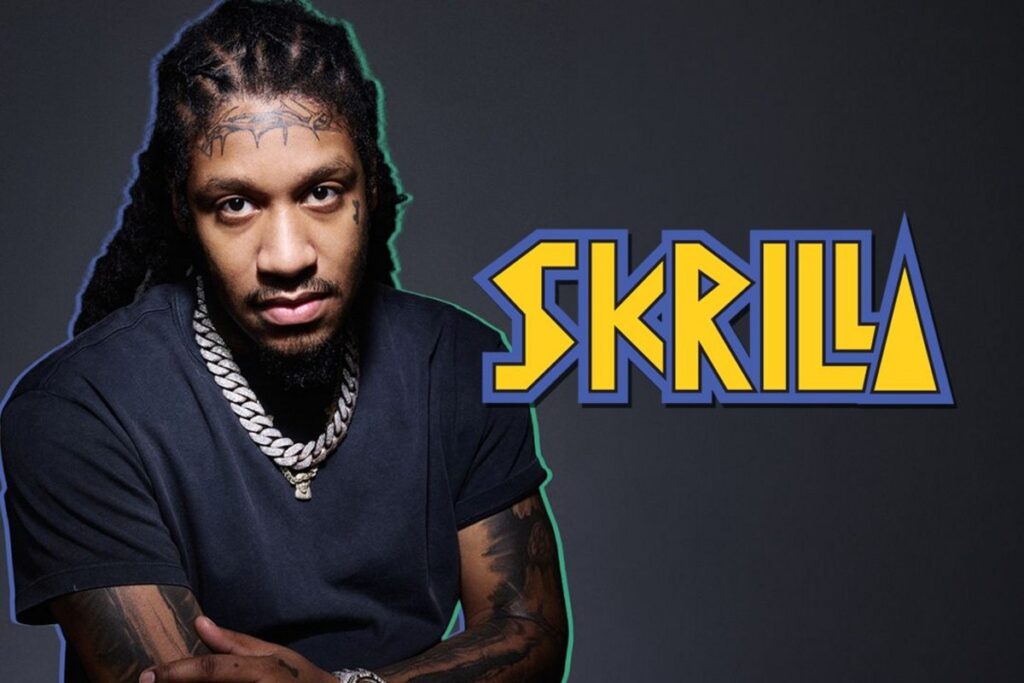
As the dust settles on the latest round of XXL Freshman selections, Skrilla has emerged as a standout talent, earning his place among the 2026 cohort. With a sharp flow and a perspective that’s deeply rooted in his experiences, Skrilla is more than just a newcomer; he’s a bold reflection of the narratives that resonate within the heart of the Black community. His freestyle showcases not only lyrical prowess but also an inherent ability to tap into the zeitgeist, making him a voice to watch in the coming years.
To understand the significance of Skrilla’s rise, we must acknowledge the ever-evolving landscape of hip-hop. Historically, the XXL Freshman list has served as a powerful barometer of emerging talent, often spotlighting artists who will shape the future of the genre. For many, it’s a validation of their artistry and a launchpad that can propel them into the mainstream. But for Skrilla and artists like him, it also symbolizes a broader cultural movement, one that embraces individuality, authenticity, and resilience. As hip-hop becomes increasingly diverse, voices that reflect the multifaceted nature of Black experience are gaining the attention they deserve.
Skrilla’s entrance into this elite circle is more than just a personal triumph; it’s indicative of a larger renaissance within the music industry. We’re witnessing an exciting shift where young Black artists are weaving their narratives into the fabric of hip-hop, pushing boundaries and challenging traditional norms. Skrilla’s music, infused with raw emotion and relatable storytelling, is a testament to the power of vulnerability in an industry that often favors bravado. His ability to convey real-life struggles and triumphs not only connects him with listeners but also elevates the genre as a whole, reminding us of hip-hop’s roots as a vehicle for expression and empowerment.
Looking back, one can draw parallels between Skrilla’s emergence and the arrival of artists like Kendrick Lamar or J. Cole, who redefined what it meant to be a rapper in the 2010s. Both of these artists used their platforms to address systemic issues, personal battles, and the complexities of growing up Black in America. Just as they did, Skrilla’s artistry is positioned to inspire a generation, creating a space where authenticity reigns supreme. In a climate where social media often distorts reality, his grounded approach is refreshingly real, carving a niche that resonates deeply with fans craving authenticity.
As we anticipate what Skrilla will bring to the table in the next few years, it’s clear that the future of hip-hop is ripe with potential. The industry seems poised for a further shift toward inclusivity and representation, with artists like Skrilla lighting the way. We should keep an eye on his trajectory, not just for his music but for how he continues to engage with the culture at large. The conversations he sparks and the stories he tells will undoubtedly shape the discourse within hip-hop, reminding us of the power and responsibility that comes with the mic. As fans, we should embrace this moment, support emerging voices, and celebrate the evolution of a genre that remains a cornerstone of Black culture.
About The Author