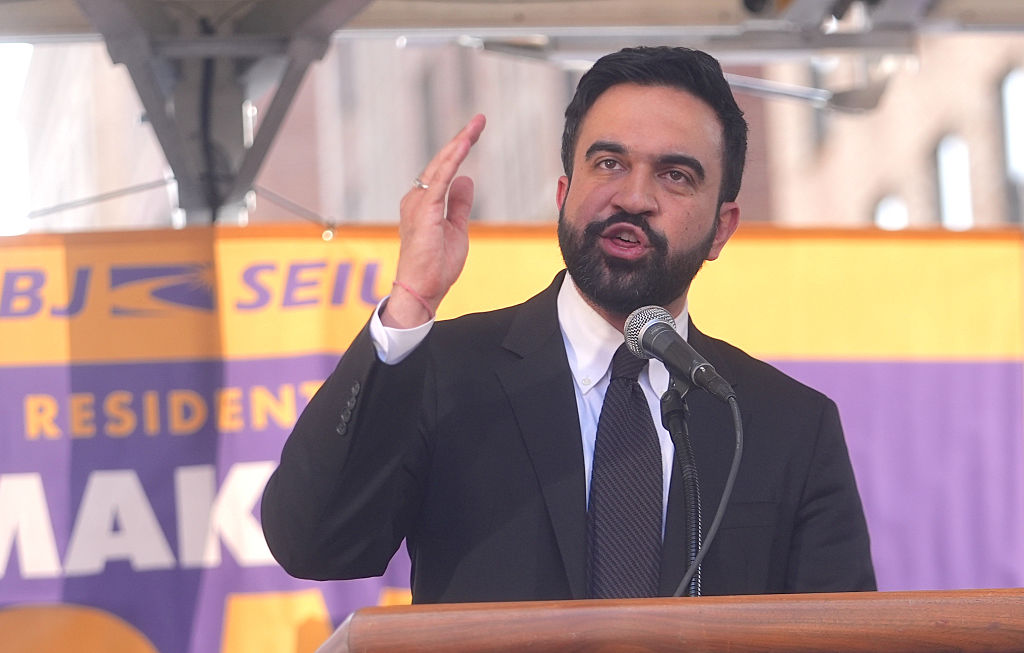
In a bold move that echoes the sentiments of many New Yorkers, Mayor Zohran Mamdani has vetoed a contentious bill that sought to mandate police presence at school protests. This decision is significant, especially in a city where the relationship between law enforcement and communities has been under intense scrutiny. The bill, championed by City Council Speaker Julie Menin, aimed to ensure safety during protests surrounding sensitive topics such as school funding and curriculum changes. However, opponents of the bill argued that the presence of police could escalate tensions rather than promote a peaceful dialogue.
Mamdani’s veto is seen as a reflection of his commitment to fostering an environment where students and community members can express their voices without the looming threat of police intimidation. In a city that has seen its fair share of protests and clashes between activists and law enforcement, this decision resonates deeply with advocates who prioritize community-led solutions over punitive measures. Critics of police presence at protests argue that it disproportionately impacts marginalized communities, often deterring individuals from participating due to fear of confrontation.
In the aftermath of this veto, Speaker Menin is reportedly strategizing to gather enough votes to override the Mayor’s decision. If successful, it would not only demonstrate political maneuvering but also highlight ongoing divisions in city leadership surrounding public safety and community engagement. The discourse around police presence at protests is reflective of broader societal debates about the role of law enforcement in public life, especially in spaces traditionally centered around education and youth empowerment.
As the city prepares for what could be a contentious council session, the ramifications of Mamdani’s veto will be closely watched. This moment might serve as a pivotal point for discussions about how we approach public safety and community protests in New York City, potentially setting a precedent for future administrations. The outcome will certainly influence how marginalized voices are treated in public discourse and whether they can continue to rise above the noise of political contention.
About The Author