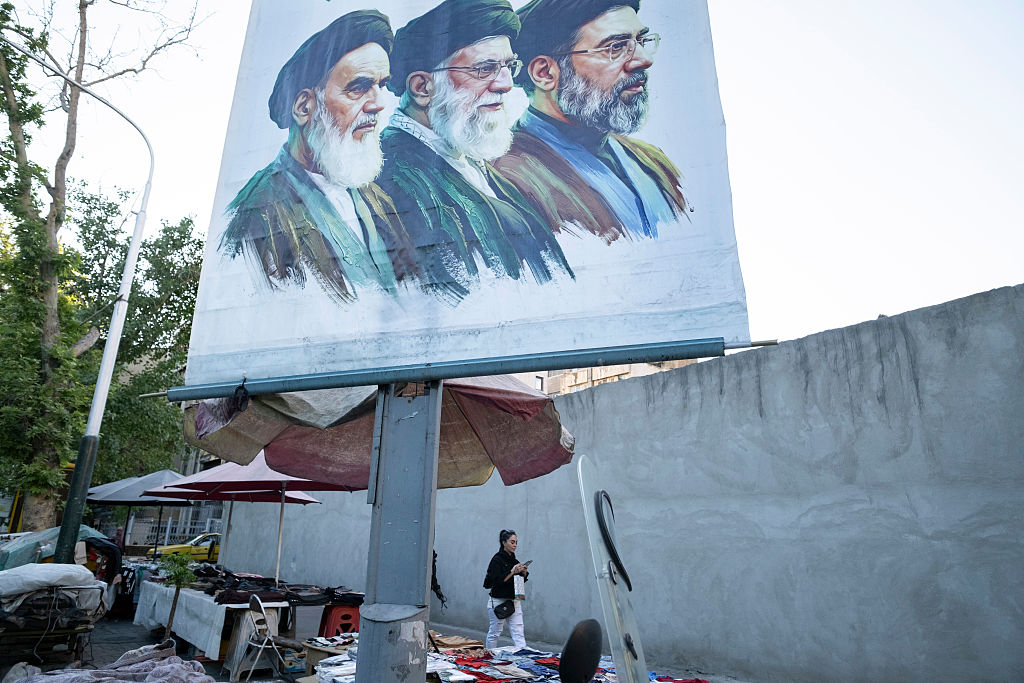
As tensions rise between the United States, Israel, and Iran, a chorus of Black Gen Z voices emerges, firmly declaring their unwillingness to fight in this conflict. This generation, known for its activism and distinct cultural voice, is questioning the very premise of war and its implications for marginalized communities. While the drumbeats of war echo loudly in political circles, many young Black individuals are simultaneously raising their fists in defiance, emphasizing that they’d rather face the consequences of civil disobedience than serve as pawns in yet another geopolitical struggle.
The sentiment among Black Gen Z is one of profound skepticism. They recognize the historical precedents of war disproportionately burdening communities of color and are unwilling to participate in a cycle that often leads to further oppression rather than liberation. For many, the idea of “winning” a war feels irrelevant when the cost is measured in lost lives and shattered futures. The question isn’t just whether the U.S. and its allies can secure a victory, but rather at what cost? The youth are asking, “What does victory even mean when it often translates to more suffering for us?”
They’re also frustrated by a political narrative that seldom includes their perspectives. Having witnessed the impact of past conflicts—where promises of freedom and democracy were overshadowed by violence and chaos—these young activists are understandably hesitant to join a cause that feels disconnected from their realities. Instead of enlisting, many are choosing to mobilize their energies towards social justice causes at home, advocating for systemic change and equality rather than engaging in foreign wars that promise little more than continued strife.
In a world where the consequences of our actions can ripple across continents, Black Gen Z stands resolute. They’re crafting a new narrative around what it means to resist, opting for activism that challenges the status quo over military service. The mantra, “We’d rather go to jail than war,” encapsulates their commitment to justice and their rejection of a system that has historically marginalized their voices. As the debate around military involvement continues, one thing is clear: the youth want to redefine what it means to fight. Their battle is not just against foreign enemies, but against the injustices that persist within their own communities.
About The Author