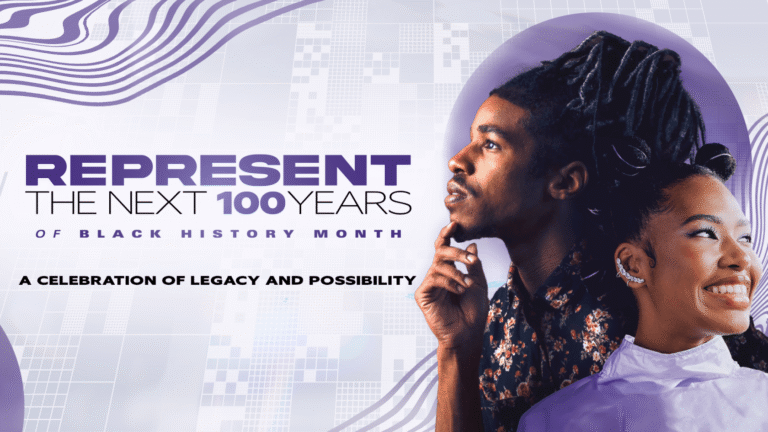
As we step into Black History Month in 2026, it’s a milestone worth reflecting upon: a century since this vital observance was first celebrated. Black History Month has become more than just a time to honor the past; it serves as a crucial reminder of the ongoing struggles and achievements of Black individuals and communities throughout history. This year, as we commemorate 100 years, we must also confront the realities of a world where the fight to protect and preserve Black history is more urgent than ever. Censorship and narratives of erasure are increasingly prevalent, threatening to dilute the meaningful stories and lessons that have shaped our society.
The significance of this month transcends the educational boundaries of classrooms. It reverberates through the music, art, and culture that have emerged from the depths of Black experience. Hip-hop, a genre rooted in resistance and resilience, continues to elevate voices that challenge the status quo and highlight the injustices faced by our communities. As artists, musicians, and storytellers take center stage, they remind us that the fight for recognition and respect is intertwined with our history. Celebrating these contributions during Black History Month is not merely a festive observance; it’s a declaration that Black excellence deserves to be acknowledged, celebrated, and preserved.
However, this celebration is threatened by movements aimed at controlling the narrative around Black history. In recent years, we’ve witnessed attempts to censor educational programs and legislation aiming to erase critical discussions about systemic racism and social justice. When we allow the history of our struggles and victories to be watered down or silenced, we risk losing the very essence of who we are as a people. It’s essential to advocate for the inclusion of comprehensive Black history in educational curricula and community programs, ensuring that future generations understand the sacrifices made by those who came before them.
As we reflect on the past and look toward the future during this historic month, let’s commit ourselves to preserving and uplifting Black voices. This 100th anniversary is a clarion call for engagement, advocacy, and education—a reminder that every story told, every triumph celebrated, and every lesson learned serves to fortify our collective identity. Black history is American history, and it belongs to all of us. The fight for its place in our national narrative is not just an obligation; it’s a legacy we owe to those who paved the way for us and to those who will follow. Together, let’s ensure that Black history remains vibrant, visible, and unyielding in the landscape of our society.
About The Author